Advanced Biology Teaching Equipments: Professional Laboratory Instruments for Enhanced Science Education

All Categories
Get a Quote

Get a Free Quote

Our representative will contact you soon.
Email
Name
Company Name
Message
0/1000

biology teaching equipments

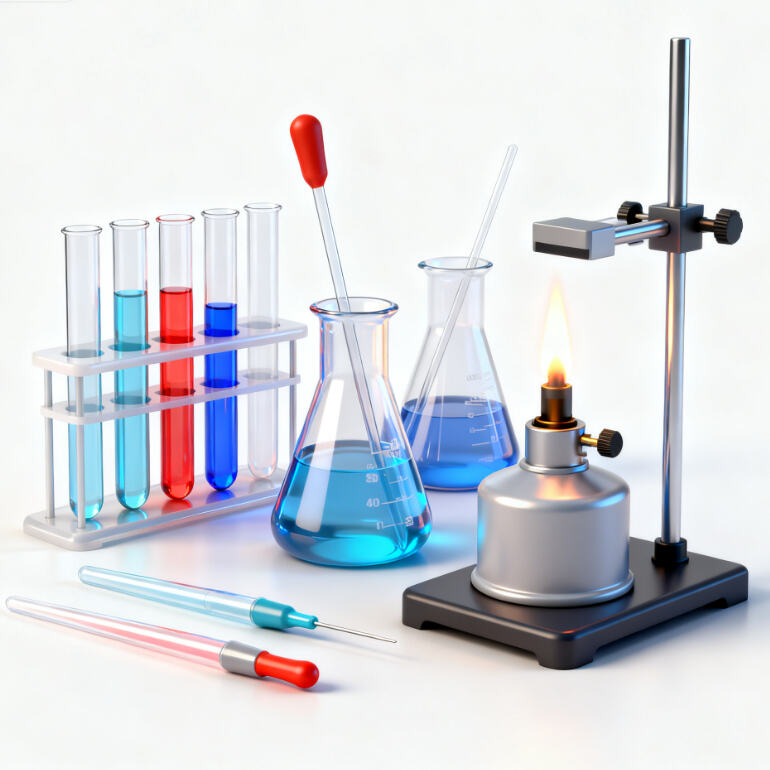
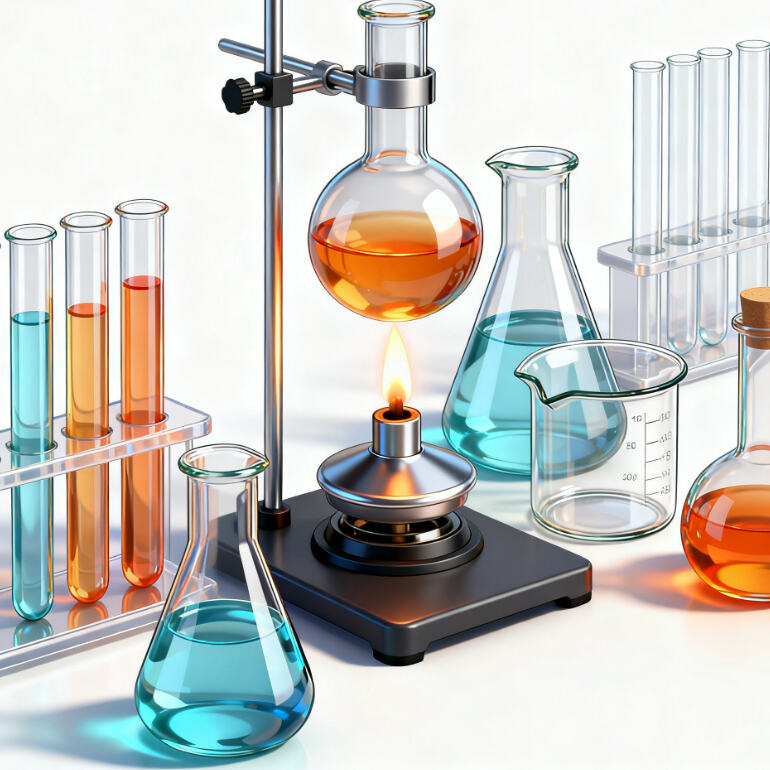
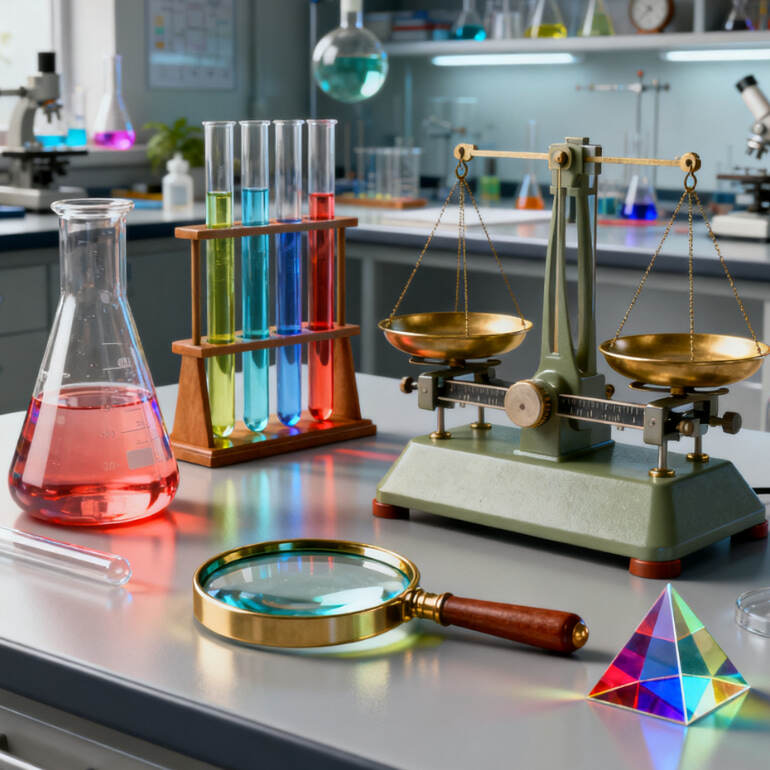
Biology teaching equipments represent a comprehensive collection of scientific instruments, models, and technological tools designed specifically to enhance the learning experience in biological sciences education. These sophisticated educational resources encompass a wide range of specialized devices including digital microscopes, anatomical models, laboratory apparatus, specimen preservation systems, and interactive display technologies that transform traditional classroom instruction into dynamic, hands-on learning environments. Modern biology teaching equipments integrate cutting-edge technological features such as high-resolution imaging capabilities, wireless connectivity, cloud-based data storage, and real-time visualization systems that enable students to observe microscopic organisms, cellular structures, and biological processes with unprecedented clarity and detail. The main functions of these educational tools focus on facilitating scientific inquiry, promoting investigative learning, and providing students with authentic laboratory experiences that mirror professional research environments. Advanced biology teaching equipments incorporate user-friendly interfaces, automated calibration systems, and precision measurement capabilities that ensure accurate data collection and analysis during experimental procedures. These instruments serve multiple applications across various educational levels, from elementary science exploration to advanced university research programs, supporting curriculum objectives in cellular biology, genetics, ecology, anatomy, physiology, and biotechnology. The technological sophistication of contemporary biology teaching equipments includes features such as digital image capture, video recording capabilities, computer integration, and software-based analysis tools that enable comprehensive documentation and assessment of student learning outcomes. Laboratory equipment sets typically include centrifuges, incubators, spectrophotometers, pH meters, and electrophoresis apparatus that provide students with exposure to professional-grade scientific instruments used in medical research, pharmaceutical development, and environmental monitoring applications.

New Product Releases

Biology teaching equipments deliver substantial educational benefits that significantly enhance student engagement, comprehension, and academic performance in biological sciences. These advanced educational tools create immersive learning experiences that capture student attention and maintain sustained interest throughout complex scientific concepts and procedures. Students develop critical thinking skills and scientific reasoning abilities through direct interaction with sophisticated instrumentation that encourages hypothesis formation, experimental design, and data interpretation. The hands-on nature of biology teaching equipments promotes kinesthetic learning styles and accommodates diverse educational preferences, ensuring that visual, auditory, and tactile learners can effectively absorb and retain biological knowledge. Educational institutions benefit from improved curriculum delivery and enhanced teaching effectiveness when instructors utilize modern biology teaching equipments to demonstrate abstract concepts through concrete, observable phenomena. These tools reduce preparation time for educators while increasing lesson impact and student retention rates, creating more efficient classroom management and instructional outcomes. Biology teaching equipments foster collaborative learning environments where students work together on group projects, share observations, and discuss findings, developing essential communication and teamwork skills required in professional scientific careers. The precision and accuracy of modern educational instruments ensure reliable experimental results that build student confidence in scientific methodology and laboratory procedures. Students gain valuable experience with technology that directly translates to future academic pursuits and career opportunities in healthcare, research, biotechnology, and environmental sciences. Biology teaching equipments support differentiated instruction by offering multiple complexity levels and application scenarios that can accommodate various skill levels and learning objectives within the same classroom setting. These educational investments demonstrate long-term cost effectiveness by replacing consumable materials, reducing maintenance requirements, and providing durable solutions that serve multiple academic years. The integration of digital features and connectivity options enables remote learning capabilities and distance education applications that expand access to quality biological science instruction beyond traditional classroom boundaries.

Latest News

The Silent Revolution in Classrooms: How Advanced Teaching Instruments Are Reshaping Global STEM Education

08

Dec

The Silent Revolution in Classrooms: How Advanced Teaching Instruments Are Reshaping Global STEM Education

View More
Building the Lab of Tomorrow: The Key Role of Durable and Adaptive Teaching Apparatus

08

Dec

Building the Lab of Tomorrow: The Key Role of Durable and Adaptive Teaching Apparatus

View More

Get a Free Quote

Our representative will contact you soon.
Email
Name
Company Name
Message
0/1000

biology teaching equipments

Advanced Digital Microscopy Technology

Advanced Digital Microscopy Technology

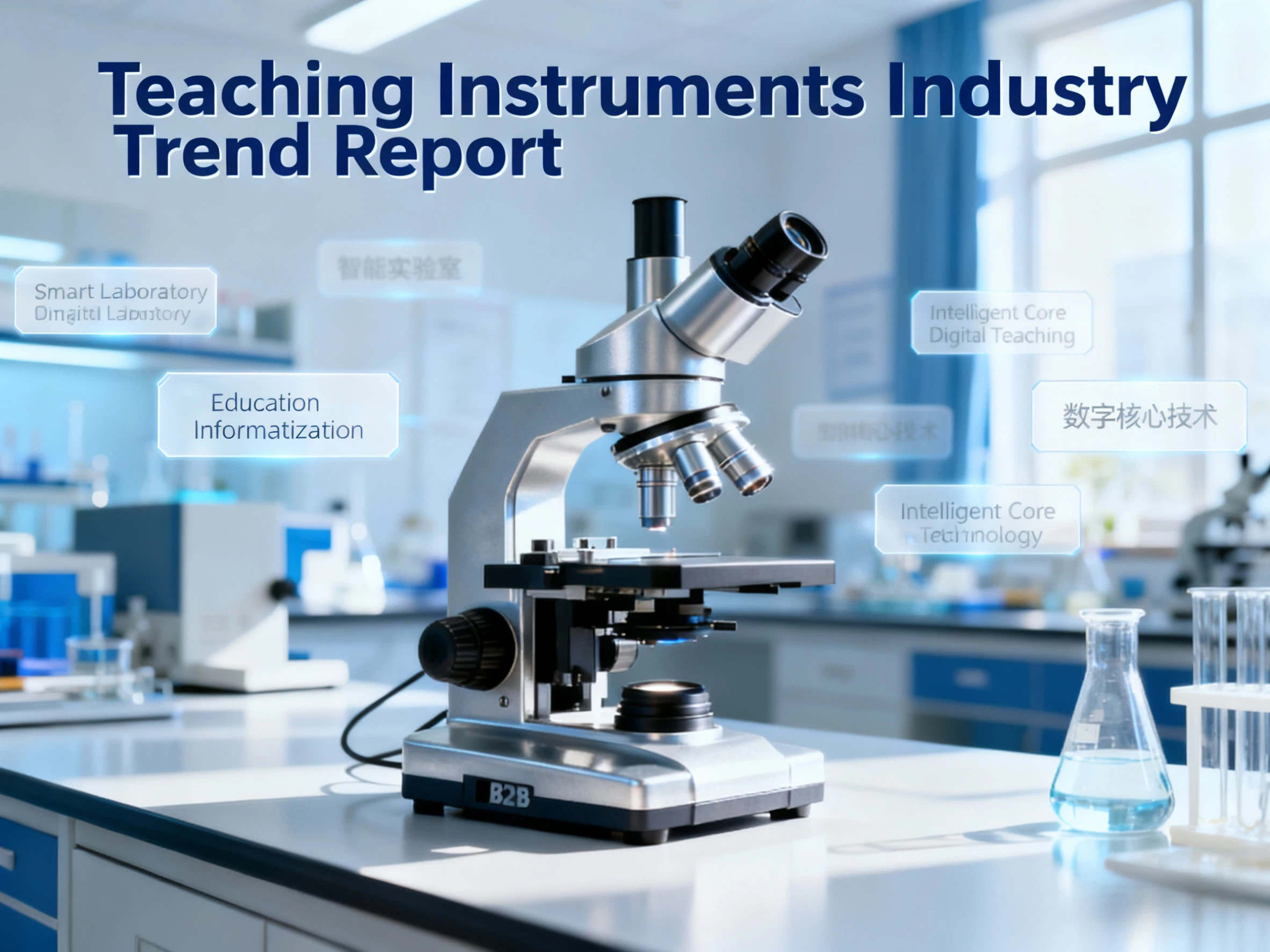
The cornerstone of modern biology teaching equipments lies in revolutionary digital microscopy technology that transforms how students observe and analyze microscopic biological specimens. These state-of-the-art instruments feature high-definition cameras capable of capturing images at magnifications ranging from 40x to 2000x, providing crystal-clear visualization of cellular structures, microorganisms, and tissue samples that were previously invisible to the naked eye. The digital microscopy systems incorporate LED illumination technology that delivers consistent, bright lighting while reducing heat generation and extending operational lifespan, ensuring optimal viewing conditions for extended laboratory sessions. Students can instantly capture, store, and share microscopic images through integrated software platforms that support real-time collaboration and digital portfolio development. The user-friendly interfaces include intuitive control panels with automated focusing capabilities, reducing technical barriers and allowing students to concentrate on scientific observation rather than equipment operation. Advanced biology teaching equipments with digital microscopy features enable side-by-side comparison viewing, measurement tools, and annotation capabilities that enhance analytical skills and documentation practices. The wireless connectivity options allow seamless integration with classroom display systems, enabling instructors to broadcast live microscopic observations to entire classes simultaneously, creating shared learning experiences that engage all students regardless of their physical proximity to the instrument. These sophisticated microscopy systems support various specimen preparation techniques including wet mounts, prepared slides, and live culture observations, providing versatility for diverse curriculum requirements. The digital recording capabilities enable time-lapse photography and video documentation of dynamic biological processes such as cell division, bacterial growth, and organism development, offering students unprecedented opportunities to witness life processes in real-time. Professional-grade optics and precision engineering ensure consistent performance and reliable results that build student confidence in scientific observation and data collection methodologies.
Interactive Anatomical Models and Simulation Systems

Interactive Anatomical Models and Simulation Systems

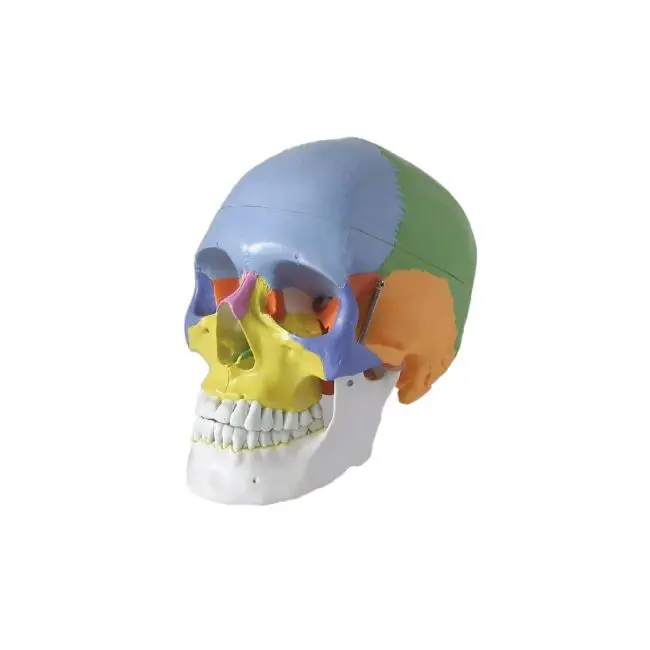
Biology teaching equipments incorporate sophisticated anatomical models and simulation systems that provide students with immersive, three-dimensional learning experiences that surpass traditional textbook illustrations and static displays. These advanced educational tools feature detailed, anatomically accurate representations of human organs, body systems, and physiological processes that students can manipulate, disassemble, and examine from multiple perspectives. The interactive nature of these models allows hands-on exploration of complex anatomical relationships, enabling students to understand spatial arrangements, functional connections, and systematic interactions that are difficult to comprehend through two-dimensional materials alone. Modern biology teaching equipments include augmented reality capabilities and virtual simulation software that overlay digital information onto physical models, creating hybrid learning environments that combine tactile manipulation with dynamic visual representations. These systems support multiple learning modalities by incorporating audio narration, visual animations, and interactive quizzes that reinforce anatomical knowledge and test student comprehension in real-time. The modular design of contemporary anatomical models enables progressive learning approaches where students begin with simplified representations and gradually advance to more complex, detailed systems as their understanding develops. Biology teaching equipments with simulation capabilities allow students to observe physiological processes such as blood circulation, respiratory function, and nervous system activity through animated demonstrations that illustrate cause-and-effect relationships and system interdependencies. The durability and precision manufacturing of these educational models ensure long-term classroom use while maintaining accuracy and detail integrity through repeated handling and demonstration cycles. Students develop spatial reasoning skills and three-dimensional visualization abilities that are essential for success in medical, veterinary, and health science career paths. The collaborative nature of model-based learning encourages peer-to-peer teaching and group problem-solving activities that strengthen communication skills and deepen conceptual understanding through explanation and discussion.
Comprehensive Laboratory Instrumentation Systems

Comprehensive Laboratory Instrumentation Systems

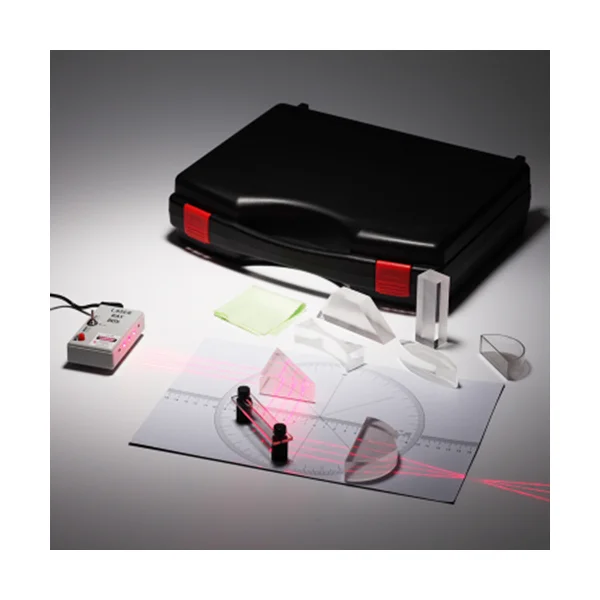
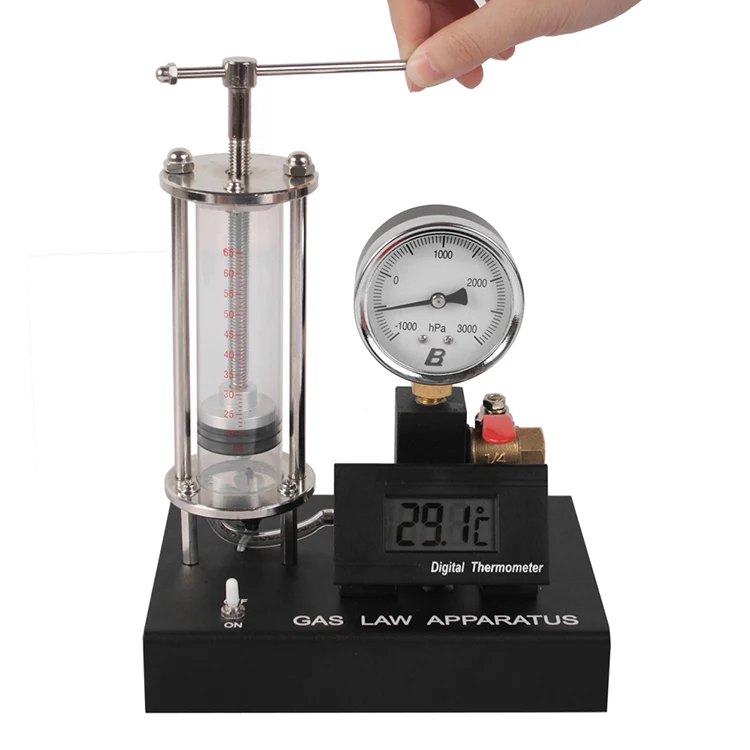
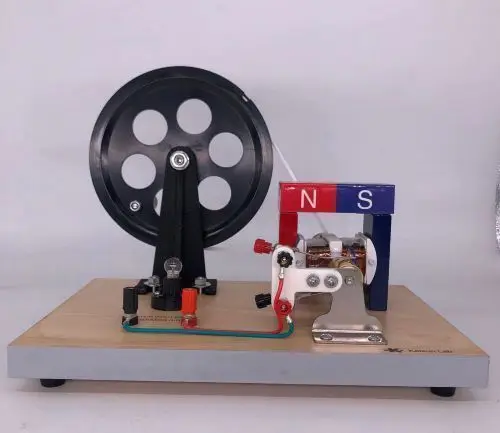
Modern biology teaching equipments encompass comprehensive laboratory instrumentation systems that provide students with authentic research experiences using professional-grade scientific equipment found in medical laboratories, research facilities, and biotechnology companies. These sophisticated instrument collections include precision balances, centrifuges, spectrophotometers, incubators, and electrophoresis apparatus that enable students to conduct advanced experimental procedures and quantitative analyses typically reserved for graduate-level coursework. The integration of computer-controlled systems and automated data collection capabilities reduces human error while teaching students proper laboratory protocols and quality control procedures essential for scientific research careers. Biology teaching equipments with comprehensive instrumentation expose students to industry-standard methodologies including DNA extraction, protein analysis, bacterial culture techniques, and biochemical assays that directly correlate with current biotechnology and pharmaceutical industry practices. The user-friendly interfaces and safety features incorporated into modern laboratory instruments ensure that students can operate complex equipment safely while developing technical competencies and procedural knowledge. These systems support inquiry-based learning approaches where students design their own experiments, formulate hypotheses, and analyze results using the same tools and techniques employed by professional scientists. The scalability of comprehensive laboratory systems allows educational institutions to accommodate various class sizes and skill levels while maintaining consistent quality and learning outcomes across different student populations. Advanced biology teaching equipments include data logging capabilities and statistical analysis software that teach students proper scientific documentation practices and quantitative reasoning skills essential for evidence-based conclusions. The maintenance and calibration procedures associated with professional laboratory instruments provide additional learning opportunities for students to understand equipment care, quality assurance, and operational troubleshooting that are valuable skills in technical career fields. The investment in comprehensive laboratory instrumentation demonstrates institutional commitment to science education excellence while providing students with competitive advantages in college admissions and career preparation that extend far beyond traditional classroom learning experiences.

Get a Free Quote

Our representative will contact you soon.
Email
Name
Company Name
Message
0/1000