Premium School Science Instruments - Advanced Educational Equipment for Modern Classrooms

All Categories
Get a Quote

Get a Free Quote

Our representative will contact you soon.
Email
Name
Company Name
Message
0/1000

school science instruments

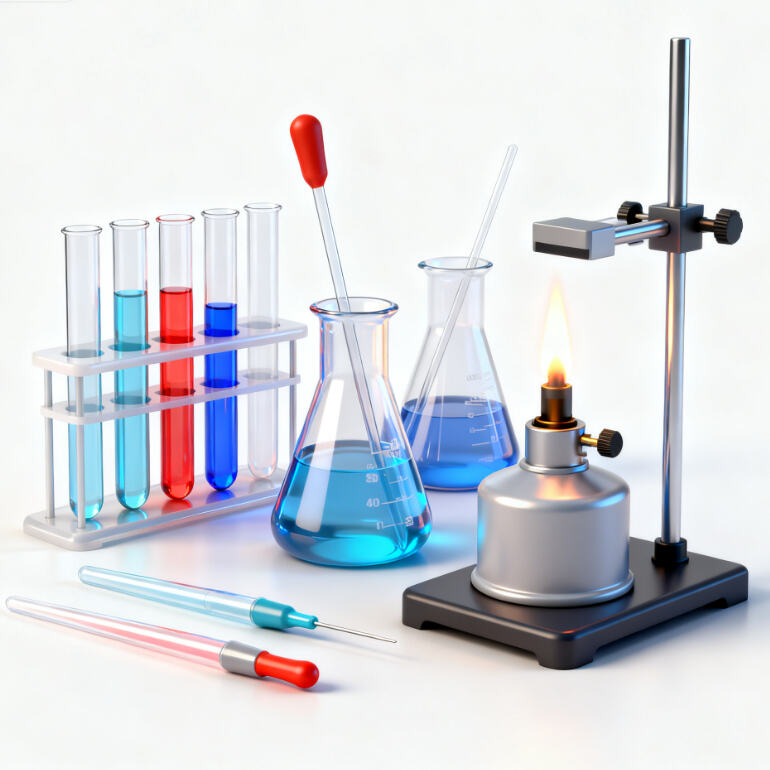
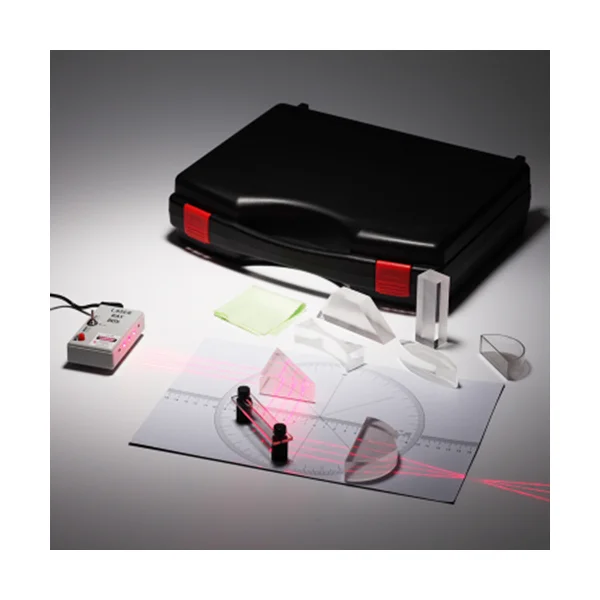
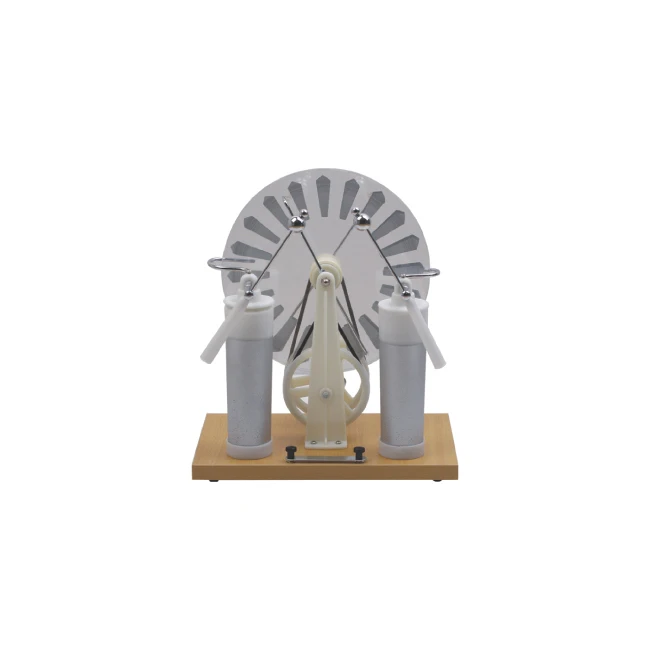
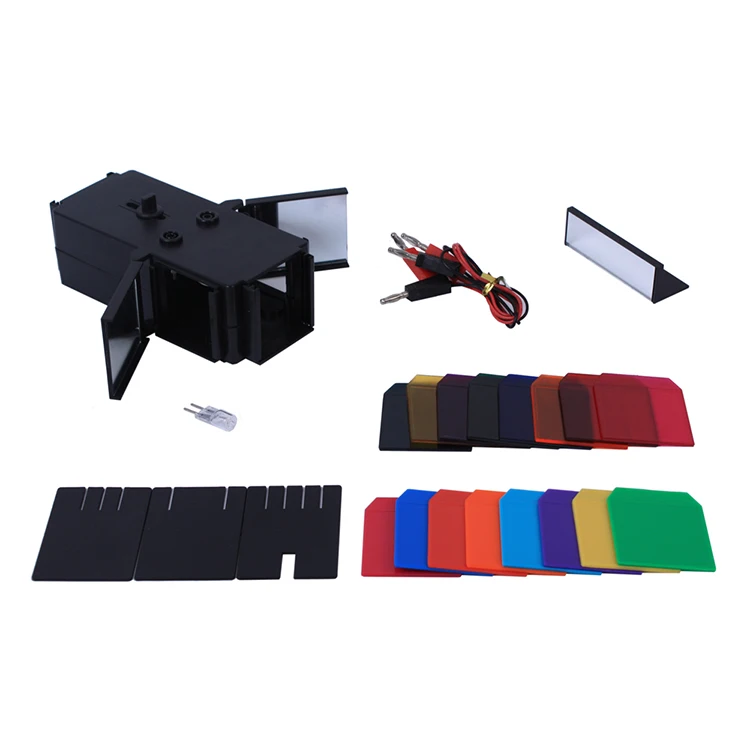
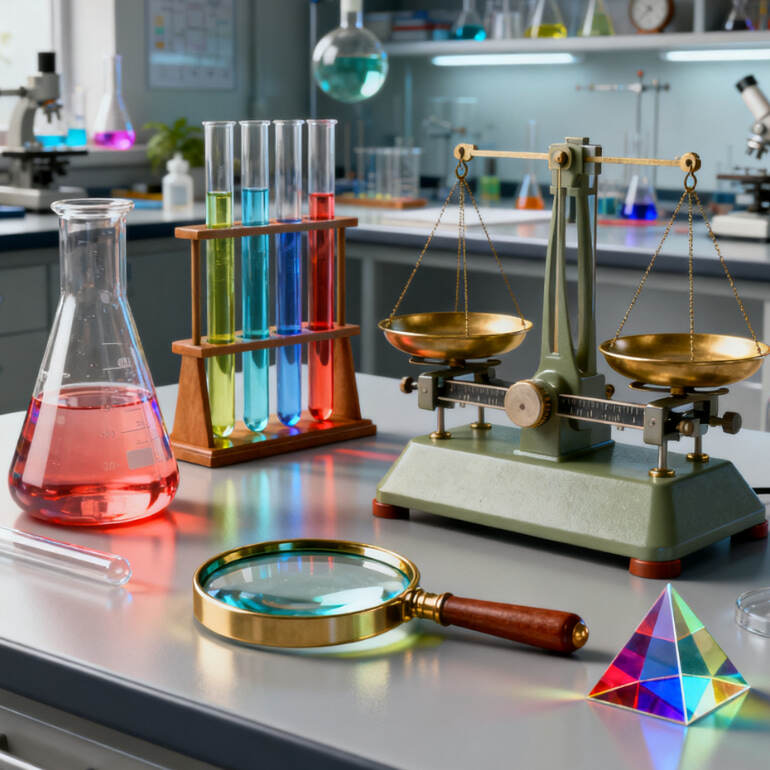
School science instruments represent essential educational tools that transform theoretical concepts into hands-on learning experiences for students across all academic levels. These sophisticated yet user-friendly devices enable educators to demonstrate complex scientific principles through practical experimentation and observation. Modern school science instruments encompass a comprehensive range of equipment designed specifically for educational environments, including microscopes, spectrophotometers, pH meters, digital balances, thermometers, and various measurement devices. Each instrument serves multiple pedagogical purposes while maintaining safety standards appropriate for classroom use. The technological features of contemporary school science instruments reflect decades of innovation in educational technology. Digital displays provide clear, accurate readings that students can easily interpret, while automated calibration systems ensure consistent results across multiple experiments. Many instruments now incorporate wireless connectivity, allowing real-time data sharing between devices and computers for enhanced collaborative learning. Durability remains a cornerstone feature, with robust construction designed to withstand frequent student use while maintaining precision. Applications of school science instruments span multiple disciplines including biology, chemistry, physics, and environmental science. In biology classes, microscopes reveal cellular structures and microorganisms, fostering understanding of life sciences fundamentals. Chemistry experiments utilize precise measurement tools to demonstrate chemical reactions and molecular behavior. Physics investigations employ sensors and meters to explore concepts like electricity, magnetism, and thermodynamics. Environmental studies benefit from instruments that measure air quality, water purity, and ecological parameters. These versatile tools bridge the gap between abstract scientific theories and tangible experimental evidence, creating meaningful learning experiences that enhance student comprehension and retention. The integration of school science instruments into curricula supports inquiry-based learning methodologies that encourage critical thinking and scientific reasoning skills essential for academic success.
New Product Releases

School science instruments deliver substantial educational benefits that enhance learning outcomes while providing exceptional value for educational institutions. These instruments significantly improve student engagement by transforming passive learning into active participation through hands-on experimentation. When students manipulate actual scientific equipment, they develop deeper understanding of scientific concepts compared to traditional lecture-based instruction. The visual and tactile elements of using school science instruments create memorable learning experiences that increase knowledge retention rates substantially. Educational research consistently demonstrates that students who engage with physical science instruments perform better on assessments and maintain stronger long-term comprehension of scientific principles. Cost-effectiveness represents another major advantage of modern school science instruments. Today's equipment offers superior durability and longevity compared to previous generations, providing excellent return on investment for schools operating under budget constraints. Many instruments serve multiple purposes across different scientific disciplines, maximizing utility while minimizing storage requirements and procurement costs. The simplified maintenance procedures of contemporary school science instruments reduce ongoing operational expenses and minimize downtime that could disrupt educational schedules. Safety features built into modern school science instruments protect students while enabling authentic scientific exploration. Automatic shut-off mechanisms, protective barriers, and user-friendly interfaces ensure secure operation even when handled by inexperienced students. These safety innovations allow educators to conduct more complex experiments without compromising student wellbeing. The standardized operation procedures across different instrument types streamline training requirements for both teachers and students. Accuracy and precision of school science instruments have improved dramatically with digital technology integration. Students receive reliable, reproducible results that build confidence in scientific methodology while developing proper experimental techniques. The enhanced measurement capabilities enable more sophisticated experiments that were previously impossible in educational settings. Real-time data collection and analysis features of advanced school science instruments accelerate the learning process by providing immediate feedback on experimental procedures. Students can quickly identify errors, adjust techniques, and observe cause-and-effect relationships in real-time. This immediate feedback mechanism strengthens scientific reasoning skills and promotes iterative learning approaches that mirror professional scientific research practices.

Tips And Tricks

The Silent Revolution in Classrooms: How Advanced Teaching Instruments Are Reshaping Global STEM Education

08

Dec

The Silent Revolution in Classrooms: How Advanced Teaching Instruments Are Reshaping Global STEM Education

View More
Building the Lab of Tomorrow: The Key Role of Durable and Adaptive Teaching Apparatus

08

Dec

Building the Lab of Tomorrow: The Key Role of Durable and Adaptive Teaching Apparatus

View More

Get a Free Quote

Our representative will contact you soon.
Email
Name
Company Name
Message
0/1000

school science instruments

Advanced Digital Technology Integration

Advanced Digital Technology Integration

Modern school science instruments incorporate cutting-edge digital technology that revolutionizes classroom learning experiences and prepares students for contemporary scientific research environments. The integration of digital displays, automated data collection systems, and wireless connectivity transforms traditional science education by providing unprecedented access to real-time information and analysis capabilities. Digital interfaces eliminate human error in data recording while ensuring consistent, accurate measurements across all experiments. Students can focus on understanding scientific concepts rather than struggling with manual calculations or transcription errors that often occurred with analog instruments. The wireless connectivity features of advanced school science instruments enable seamless data sharing between multiple devices, fostering collaborative learning environments where students can compare results, analyze trends, and draw collective conclusions. This connectivity also allows integration with learning management systems and educational software platforms, creating comprehensive digital learning ecosystems that extend beyond individual classroom sessions. Teachers can monitor student progress remotely, provide real-time guidance, and assess understanding through detailed performance analytics generated by smart instruments. The user-friendly touchscreen interfaces common in modern school science instruments make complex scientific equipment accessible to students of all technical skill levels. Intuitive menu systems guide users through experimental procedures step-by-step, reducing setup time and minimizing operational confusion. Built-in tutorials and help functions provide immediate assistance when students encounter difficulties, maintaining learning momentum without requiring constant teacher intervention. Data storage capabilities within these instruments allow students to build comprehensive experimental portfolios over time, tracking their scientific development and enabling longitudinal analysis of their learning progress. The integration of cloud-based storage solutions ensures that student data remains accessible across different devices and locations, supporting flexible learning arrangements and homework assignments that extend classroom experiences.
Exceptional Durability and Reliability

Exceptional Durability and Reliability

School science instruments are specifically engineered to withstand the demanding conditions of educational environments while maintaining consistent performance standards throughout their extended operational lifespan. The robust construction methodologies employed in manufacturing these instruments recognize the unique challenges presented by frequent student use, varying skill levels, and intensive classroom schedules. Premium materials including reinforced plastics, corrosion-resistant metals, and impact-absorbing components ensure that school science instruments continue functioning accurately even after thousands of student interactions. This exceptional durability translates directly into cost savings for educational institutions by reducing replacement frequency and minimizing repair requirements that could disrupt educational programming. The reliability standards maintained by quality school science instruments provide educators with confidence that their experimental demonstrations will proceed smoothly without technical failures that could undermine learning objectives. Consistent performance across multiple years of use ensures that curriculum standards remain achievable and that student learning experiences remain uniform regardless of when they encounter specific instruments during their academic journey. Quality control processes implemented during manufacturing include rigorous testing protocols that simulate years of classroom use, identifying potential failure points before instruments reach educational settings. This proactive approach to reliability engineering minimizes unexpected breakdowns that could compromise student safety or educational continuity. The standardized maintenance procedures for durable school science instruments require minimal technical expertise, allowing school staff to perform routine upkeep without specialized training or expensive service contracts. Clear maintenance schedules and easily replaceable components ensure that instruments remain in optimal condition throughout their service life. The modular design philosophy adopted by leading manufacturers enables selective component replacement rather than complete instrument replacement, further extending operational life while controlling maintenance costs. Environmental resilience of modern school science instruments allows them to function effectively across varying temperature, humidity, and lighting conditions commonly found in different classroom settings, ensuring consistent performance regardless of facility limitations or seasonal variations.
Comprehensive Educational Support and Training

Comprehensive Educational Support and Training

School science instruments are supported by extensive educational resources and training programs designed to maximize their pedagogical value while ensuring safe, effective implementation across diverse educational settings. Comprehensive training materials include detailed user manuals, video tutorials, lesson plan templates, and experimental procedure guides that help educators integrate instruments seamlessly into existing curricula. These resources address different learning styles and experience levels, ensuring that both novice and experienced teachers can utilize school science instruments effectively to enhance student learning outcomes. Professional development opportunities provided by instrument manufacturers include hands-on workshops, online certification programs, and ongoing technical support that keeps educators current with best practices and emerging educational technologies. The collaborative approach to educational support recognizes that successful implementation of school science instruments depends on teacher confidence and competence, investing heavily in comprehensive training programs that build educator expertise over time. Curriculum alignment services help schools match specific instruments with educational standards and learning objectives, ensuring that equipment purchases directly support academic goals and assessment requirements. Detailed correlation guides demonstrate how different experiments and activities using school science instruments address specific curriculum benchmarks, helping administrators justify investments and track educational impact. The flexible implementation strategies supported by comprehensive training programs allow schools to adapt instrument usage to their unique circumstances, student populations, and educational philosophies. Technical support services provide ongoing assistance with operational questions, troubleshooting guidance, and software updates that maintain instrument effectiveness throughout their service life. This continuous support relationship ensures that schools maximize their return on investment while maintaining high educational standards. The community of practice fostered by leading school science instrument providers connects educators across different institutions, facilitating knowledge sharing, collaborative experiment development, and peer-to-peer learning opportunities. This network effect amplifies the educational value of individual instruments by leveraging collective educator expertise and creativity. Regular webinars, forums, and educational conferences provide platforms for sharing innovative applications, discussing challenges, and exploring emerging trends in science education technology.

Get a Free Quote

Our representative will contact you soon.
Email
Name
Company Name
Message
0/1000