
 EN
EN

Speciaal onderwijs en inclusieve klassen vereisen zorgvuldig geselecteerde lesmaterialen die tegemoetkomen aan diverse leerbehoeften, ontwikkelingsverschillen en toegankelijkheidseisen. Moderne onderwijsomgevingen moeten leerlingen met verschillende mogelijkheden, leerstijlen en sensorische voorkeuren kunnen accommoderen, terwijl tegelijkertijd de betrokkenheid wordt behouden en vaardigheidsontwikkeling bij alle leerlingen wordt gestimuleerd. De juiste lesmaterialen vormen de brug tussen educatieve doelstellingen en leerlingensucces, en creëren kansen op betekenisvolle leerervaringen die anders onbereikbaar zouden blijven.
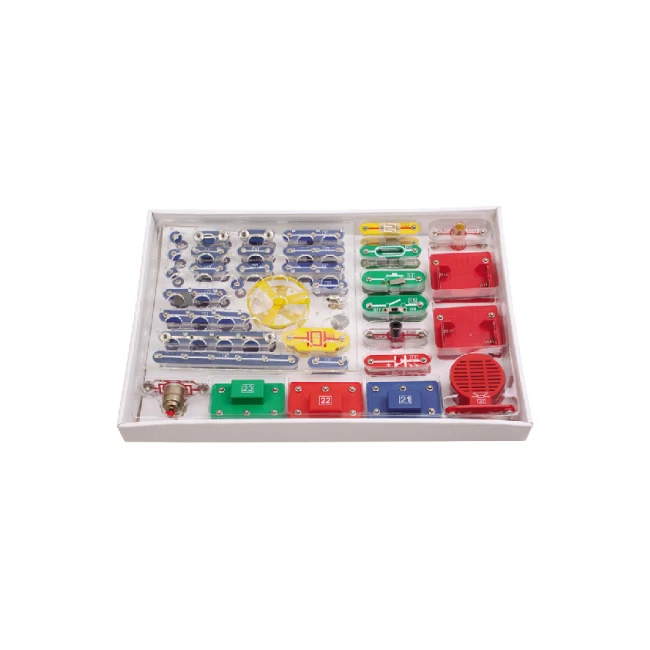
Effectief lesmateriaal in speciaal onderwijsomgevingen vervult meerdere doeleinden buiten traditioneel onderwijs om, en fungeert als therapeutisch hulpmiddel, communicatiehulpmiddel en gedragssteunsystemen. Deze gespecialiseerde middelen moeten voldoen aan strenge veiligheidsnormen en tegelijkertijd flexibel zijn om zich aan te passen aan de individuele behoeften van leerlingen en aan wisselende klaslokaalconfiguraties. Het bepalen welk lesmateriaal het beste geschikt is voor speciaal onderwijs en inclusieve klaslokalen vereist zorgvuldige afweging van de leerpopulatie, leerdoelen en langetermijneducatieve resultaten.
Kerncategorieën lesmateriaal voor speciaal onderwijs
Hulpmiddelen voor sensorische integratie en verwerking
Materiaal voor sensorische integratie vormt de basis van vele speciaal educatieve programma's en richt zich op de unieke behoeften op het gebied van sensorische verwerking die van invloed zijn op de leesbaarheid voor leren en deelname aan de les. Gewogen dekens, sensorische bakken, fidgethulpmiddelen en oppervlakken met verschillende textuur verstrekken essentiële sensorische input die leerlingen helpt bij het reguleren van hun zenuwstelsel en het behouden van concentratie tijdens het onderwijs. Deze hulpmiddelen zijn bijzonder cruciaal voor leerlingen met autismespectrumstoornissen, ADHD en afwijkingen in sensorische verwerking.
Balansborden, therapietassen en bewegingskussens vormen dynamische zitopties die leerlingen in staat stellen hun vestibulaire systeem te activeren tijdens academische activiteiten. Deze onderwijsmaterialen erkennen dat veel leerlingen met speciale onderwijsbehoeften effectiever leren wanneer hun lichaam betrokken is bij gecontroleerde beweging. De integratie van sensorische hulpmiddelen in het dagelijks onderwijs helpt optimale leersituaties te creëren en gedragsuitdagingen te verminderen die het educatieve vooruitgang kunnen hinderen.
Geluidwerende hoofdtelefoons, geluidsmachines en visuele schema’s richten zich op auditieve en visuele verwerkingsbehoeften die aanzienlijk van invloed zijn op leeromgevingen. Dit onderwijsmateriaal helpt voorspelbare, beheersbare sensorische ervaringen te creëren, zodat leerlingen zich kunnen concentreren op academische inhoud in plaats van overweldigd te worden door omgevingsstimuli. Het strategisch gebruik van sensorisch onderwijsmateriaal bepaalt vaak het succes van inclusieve klasmodellen.
Communicatie- en taalontwikkelingssystemen
Hulpmiddelen voor versterkende en alternatieve communicatie (AAC) vormen essentiële onderwijsmaterialen voor leerlingen met communicatieproblemen, van eenvoudige platen met afbeeldingen tot geavanceerde spraakgenererende apparaten. Deze hulpmiddelen stellen leerlingen in staat om behoeften te uiten, deel te nemen aan gesprekken en kennis te tonen die anders verborgen zou blijven door communicatiebeperkingen. De keuze van geschikte communicatie-onderwijsmaterialen vereist een zorgvuldige beoordeling van individuele vaardigheden en groeipotentieel.
Communicatieborden op basis van symbolen, materialen voor sociale verhalen en visuele communicatiehulpmiddelen bieden gestructureerde benaderingen voor taalontwikkeling en sociale interactie. Dit lesmateriaal ondersteunt leerlingen binnen het autismespectrum en leerlingen met een verstandelijke beperking door complexe communicatieconcepten op te delen in beheersbare, visuele onderdelen. Het consistente gebruik van communicatielesmateriaal helpt bij het opbouwen van taalvaardigheden en vermindert tegelijkertijd frustratie en gedragsproblemen.
Interactieve whiteboards en tabletgebaseerde toepassingen vormen veelzijdige onderwijsapparatuur die kunnen worden afgestemd op individuele communicatiebehoeften en tegelijkertijd ondersteuning bieden aan instructie voor de gehele groep. Deze digitale hulpmiddelen maken directe feedback, visuele versterking en multimodale leeraanpakken mogelijk, wat voordelen biedt voor diverse leerstijlen binnen inclusieve klaslokalen.
Aanpasbare leertechnologieën en hulpmiddelen voor ondersteuning
Cognitieve ondersteuning en hulpmiddelen voor executieve functies
Lesmateriaal dat is ontworpen om de ontwikkeling van executieve functies te ondersteunen, omvat visuele timers, taakorganisatoren en instructiekaarten met stapsgewijze uitleg die leerlingen met leerproblemen en ontwikkelingsvertragingen helpen bij het navigeren door complexe academische en gedragsverwachtingen. Deze hulpmiddelen bieden externe structuur voor interne processen die bij leerlingen in speciaal onderwijs mogelijk onvoldoende ontwikkeld of onregelmatig zijn.
Geheugensteun, visuele schema's en overgangsondersteuning vormen essentieel lesmateriaal voor leerlingen die moeite hebben met werkgeheugen, aandachtsregulatie en het omgaan met veranderingen. Deze middelen helpen leerlingen voorspellen welke activiteiten er gaan komen, meerdere stappen in een instructie onthouden en zich gedurende langere leergelegenheden op een taak concentreren. Het systematisch gebruik van lesmateriaal voor cognitieve ondersteuning vermindert vaak angstgevoelens en vergroot de zelfstandigheid in academische omgevingen.
Leermiddelen voor probleemoplossing, oorzaak-en-gevolg-speelgoed en logische puzzels bieden hands-on leermateriaal dat kritisch denkvermogen ontwikkelt via concrete, tastbare ervaringen. Dit type leermateriaal is bijzonder waardevol voor leerlingen met een verstandelijke beperking, die baat hebben bij multisensorische benaderingen bij de ontwikkeling van abstracte concepten.
Leermiddelen voor motorische vaardigheidsontwikkeling
Leermiddelen voor de ontwikkeling van fijne motoriek omvatten aangepaste schaar, greepversterkers voor schrijfgerei en manipulatief materiaal dat is ontworpen om de handspieren te versterken en de coördinatie te verbeteren. Deze hulpmiddelen zijn essentieel voor leerlingen met een lichamelijke beperking, ontwikkelingsvertraging of aandoeningen die van invloed zijn op motorische planning en uitvoering. Het juiste leermateriaal kan het verschil betekenen tussen frustratie en succes bij academische taken die fijne motoriek vereisen.
Grossmotorische leermiddelen, zoals therapietraagballen, evenwichtsbalken en bewegingscircuits, ondersteunen de fysieke ontwikkeling en bieden tegelijkertijd sensorische input die de leerbereidheid verbetert. Dit leermateriaal erkent het verband tussen fysieke ontwikkeling en cognitieve groei, wat met name belangrijk is in speciaalonderwijsomgevingen waar leerlingen vertragingen kunnen vertonen op meerdere ontwikkelingsgebieden.
Leermiddelen voor positionering en zitplaatsen zorgen ervoor dat leerlingen met lichamelijke beperkingen veilig en comfortabel toegang hebben tot leermaterialen en kunnen deelnemen aan klasactiviteiten. Gespecialiseerde stoelen, staandframes en adaptieve positioneringsmiddelen vormen essentiële leermiddelen die participatie mogelijk maken, in plaats van zich uitsluitend te richten op het compenseren van beperkingen.
Hulpmiddelen voor gedragsondersteuning en emotionele regulatie
Hulpmiddelen voor zelfregulatie en copingstrategieën
Rustige ruimtes die zijn uitgerust met gespecialiseerde lesmaterialen bieden essentiële terugtrekkingsgebieden waar leerlingen zelfregulatievaardigheden kunnen oefenen en zich kunnen herstellen na overweldigende situaties. Sitzkussens, zacht licht, kalmerende muzieksystemen en gidsen voor ademhalingsoefeningen creëren therapeutische omgevingen binnen klaslokalen. Dit lesmateriaal ondersteunt de ontwikkeling van emotionele intelligentie en copingstrategieën die cruciaal zijn voor academisch en sociaal succes.
Gedragsregistratiesystemen, fichesystemen en visuele positieve versterkingschema’s vormen lesmateriaal dat abstracte gedragsverwachtingen concreet en haalbaar maakt. Deze hulpmiddelen helpen leerlingen de oorzaak-gevolgrelatie tussen keuzes en gevolgen te begrijpen en bieden positieve versterking voor gewenst gedrag. Effectief gedragsgericht lesmateriaal vermindert de behoefte aan externe beheersing en bevordert intrinsieke motivatie.
Materiaal voor sociale vaardigheidstraining, kaarten voor het herkennen van emoties en perspectiefnemende spellen bieden gestructureerde lesmiddelen voor het ontwikkelen van interpersoonlijke vaardigheden, die vaak een uitdaging vormen voor leerlingen in speciaal onderwijs. Deze middelen creëren veilige kansen om sociale interacties te oefenen en relatiesvaardigheden op te bouwen die overdraagbaar zijn naar situaties in de echte wereld.
Crisispreventie- en veiligheidsuitrusting
Veiligheidsprotocollen in klassen voor speciaal onderwijs vereisen gespecialiseerde lesmiddelen die letsel voorkomen, terwijl tegelijkertijd de menselijke waardigheid en therapeutische relaties worden behouden. Beschermend opvulmateriaal, veiligheidsspiegels en aanpassingen aan de omgeving zorgen voor veilige leerruimtes, zonder een institutionele sfeer te creëren die contraproductief kan zijn voor leerproces en ontwikkeling.
Communicatieapparatuur voor noodsituaties, visuele signaleringssystemen voor veiligheidsprocedures en aanpasbare nooduitrusting zorgen ervoor dat alle leerlingen kunnen deelnemen aan veiligheidsprotocollen, ongeacht hun beperkingen op het gebied van communicatie of mobiliteit. Deze onderwijsapparatuur is gericht op de bijzondere kwetsbaarheid van doelgroepen in speciaal onderwijs tijdens crisissituaties.
De-escalatietools, waaronder kalmerende muziek, aromatherapiemogelijkheden en sensorische troostartikelen, vormen onderwijsapparatuur die kan voorkomen dat gedragscrises escaleren tot gevaarlijke niveaus. Deze proactieve aanpak beschermt zowel leerlingen als personeel en behoudt de focus op educatieve en therapeutische doelstellingen.
Beoordelings- en voortgangsbewakingstechnologieën
Gegevensverzamel- en documentatiesystemen
Digitale portfoliosystemen en voortgangsbijhoudingsapplicaties vormen geavanceerde onderwijsmiddelen die de ontwikkeling van leerlingen in meerdere groeidomeinen documenteren. Deze tools stellen docenten in staat om authentieke beoordelingsgegevens te verzamelen die werkelijke vaardigheden weerspiegelen, in plaats van vaardigheden op het gebied van toetsafleggen, die bij leerlingen met specifieke onderwijsbehoeften mogelijk minder goed tot stand komen.
Videorecorderapparatuur en observatiehulpmiddelen bieden objectieve documentatie van het gedrag en de leervooruitgang van leerlingen, die kan worden gedeeld met gezinnen en ondersteuningsteams. Deze onderwijsmiddelen zorgen voor transparantie in het educatieve proces en maken samenwerkend probleemoplossen mogelijk wanneer leerlingen leeruitdagingen ondervinden.
Adaptieve beoordelingsinstrumenten en alternatieve evaluatiemethoden zorgen ervoor dat lesmateriaal een eerlijke en nauwkeurige meting van de leerlingvoortgang ondersteunt, ongeacht beperkingen op het gebied van communicatie of mobiliteit. Deze middelen erkennen dat traditionele toetsmethoden mogelijk niet weerspiegelen wat leerlingen met een functiebeperking werkelijk kunnen.
Communicatie- en samenwerkingsmiddelen voor gezinnen
Toepassingen voor communicatie tussen thuissituatie en school en digitale delingsplatforms vormen lesmateriaal dat het leren uitbreidt tot buiten de klasomgeving en gezinnen betrekt als partners in het educatieve proces. Deze hulpmiddelen zijn bijzonder belangrijk in speciaal onderwijsomgevingen, waar consistentie tussen verschillende omgevingen aanzienlijk van invloed is op de voortgang van de leerling.
Opleidingsmateriaal voor gezinnen en video-modelleringsbronnen bieden lesmateriaal dat ouders en verzorgers helpt bij het ondersteunen van leerdoelen thuis. Deze uitbreiding van professionele expertise via technologie vermenigvuldigt het effect van lesgeven in de klas en creëert uitgebreide ondersteuningssystemen voor leerlingen met speciale onderwijsbehoeften.
Vertaaldiensten en cultureel afgestemde communicatiehulpmiddelen zorgen ervoor dat lesmateriaal diverse gezinsgroepen bereikt en taalbarrières wegneemt die een zinvolle samenwerking bij de planning en uitvoering van speciaal onderwijs kunnen belemmeren.
Veelgestelde vragen
Wat maakt lesmateriaal geschikt voor speciaal onderwijs en inclusieve klassen?
Onderwijsmateriaal voor speciaal onderwijs moet voldoen aan veiligheidsnormen, aanpasbaarheid bieden voor diverse behoeften, opties voor multisensorische betrokkenheid bevatten en ondersteuning bieden bij individuele leerdoelen. Het materiaal moet duurzaam genoeg zijn voor intensief gebruik, terwijl het tegelijkertijd boeiend en leeftijdsgepast blijft voor de doelgroep leerlingen.
Hoe bepalen scholen welk onderwijsmateriaal zij met beperkte budgetten moeten prioriteren?
Scholen moeten onderwijsmateriaal prioriteren op basis van behoeftenevaluaties van de leerlingenpopulatie, veiligheidseisen en artikelen die meerdere functies vervullen voor verschillende soorten beperkingen en leerdoelen. Materiaal dat het grootste aantal leerlingen ondersteunt en tegelijkertijd kritieke behoeften aanspreekt, dient voorrang te krijgen bij financieringsoverwegingen.
Kan regulier lesmateriaal voor het gewone onderwijs worden aangepast voor gebruik in speciaal onderwijs?
Veel standaard lesmaterialen kunnen worden aangepast voor gebruik in speciaal onderwijs door eenvoudige aanpassingen, zoals het toevoegen van visuele ondersteuning, het wijzigen van de grootte of het integreren van sensorische elementen. Speciale onderwijsapparatuur is echter vaak noodzakelijk voor leerlingen met ernstige beperkingen of complexe leernoden die niet voldoende kunnen worden aangepakt via uitsluitend aanpassingen.
Hoe vaak moet speciaal onderwijslesmateriaal worden geëvalueerd en bijgewerkt?
Lesmateriaal voor speciaal onderwijs dient jaarlijks te worden geëvalueerd op veiligheid, effectiviteit en afstemming op de huidige behoeften van de leerlingen. Apparatuur op basis van technologie vereist mogelijk vaker updates, terwijl duurzame items zoals sensorische hulpmiddelen en handelingsmaterialen, bij juiste onderhouds- en reinigingsprotocollen, jarenlang effectief kunnen worden ingezet.
Inhoudsopgave
- Kerncategorieën lesmateriaal voor speciaal onderwijs
- Aanpasbare leertechnologieën en hulpmiddelen voor ondersteuning
- Hulpmiddelen voor gedragsondersteuning en emotionele regulatie
- Beoordelings- en voortgangsbewakingstechnologieën
-
Veelgestelde vragen
- Wat maakt lesmateriaal geschikt voor speciaal onderwijs en inclusieve klassen?
- Hoe bepalen scholen welk onderwijsmateriaal zij met beperkte budgetten moeten prioriteren?
- Kan regulier lesmateriaal voor het gewone onderwijs worden aangepast voor gebruik in speciaal onderwijs?
- Hoe vaak moet speciaal onderwijslesmateriaal worden geëvalueerd en bijgewerkt?