
 EN
EN
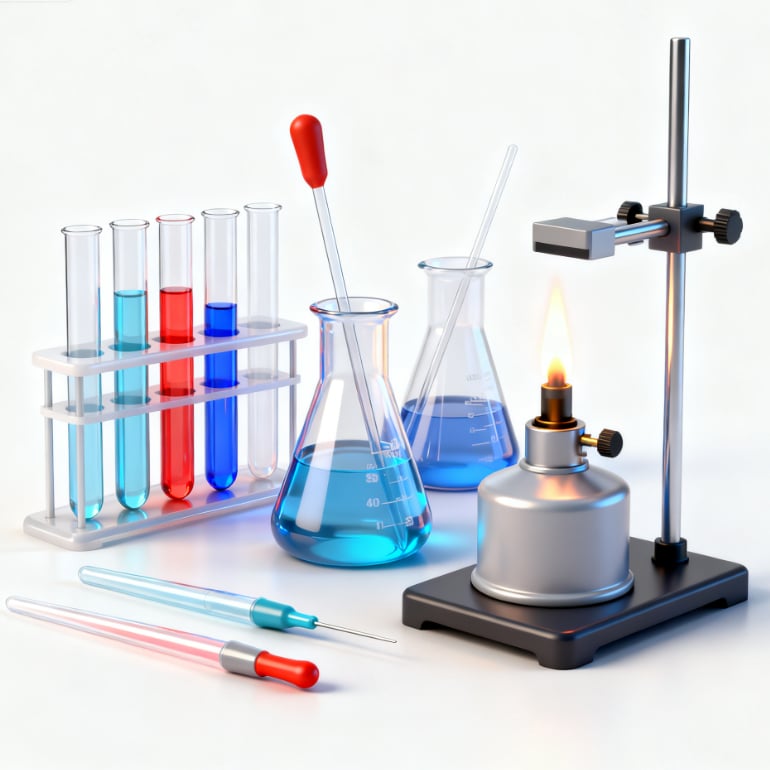
Selecting the right teaching instruments is fundamental to creating an effective learning environment that meets the diverse needs of students across different subjects. Whether you are equipping a physics laboratory, a chemistry classroom, a biology lab, or a general science facility, the process of choosing teaching instruments requires careful consideration of curriculum standards, student learning objectives, and practical classroom constraints. The right teaching instruments enhance student engagement, support hands-on learning, and make complex concepts tangible and understandable. Poor selection of teaching instruments, however, can lead to wasted resources, frustrated instructors, and diminished learning outcomes. This guide explores how to systematically evaluate and select teaching instruments that align with your educational goals and subject-specific requirements.
The process of selecting teaching instruments demands more than a simple inventory checklist. Educators must balance pedagogical needs with budgetary realities, ensure safety compliance, and anticipate maintenance requirements throughout the academic year. Understanding the specific role that teaching instruments play in each subject—whether demonstrating physical principles, visualizing molecular structures, or conducting experimental investigations—helps educators make informed purchasing decisions. Additionally, teaching instruments must be durable enough to withstand frequent classroom use while remaining accessible to students of varying skill levels. This comprehensive approach to selecting teaching instruments ensures that institutions maximize educational value while maintaining fiscal responsibility and operational efficiency.
Understanding Subject-Specific Requirements for Teaching Instruments
Physics and Mechanics Teaching Instruments
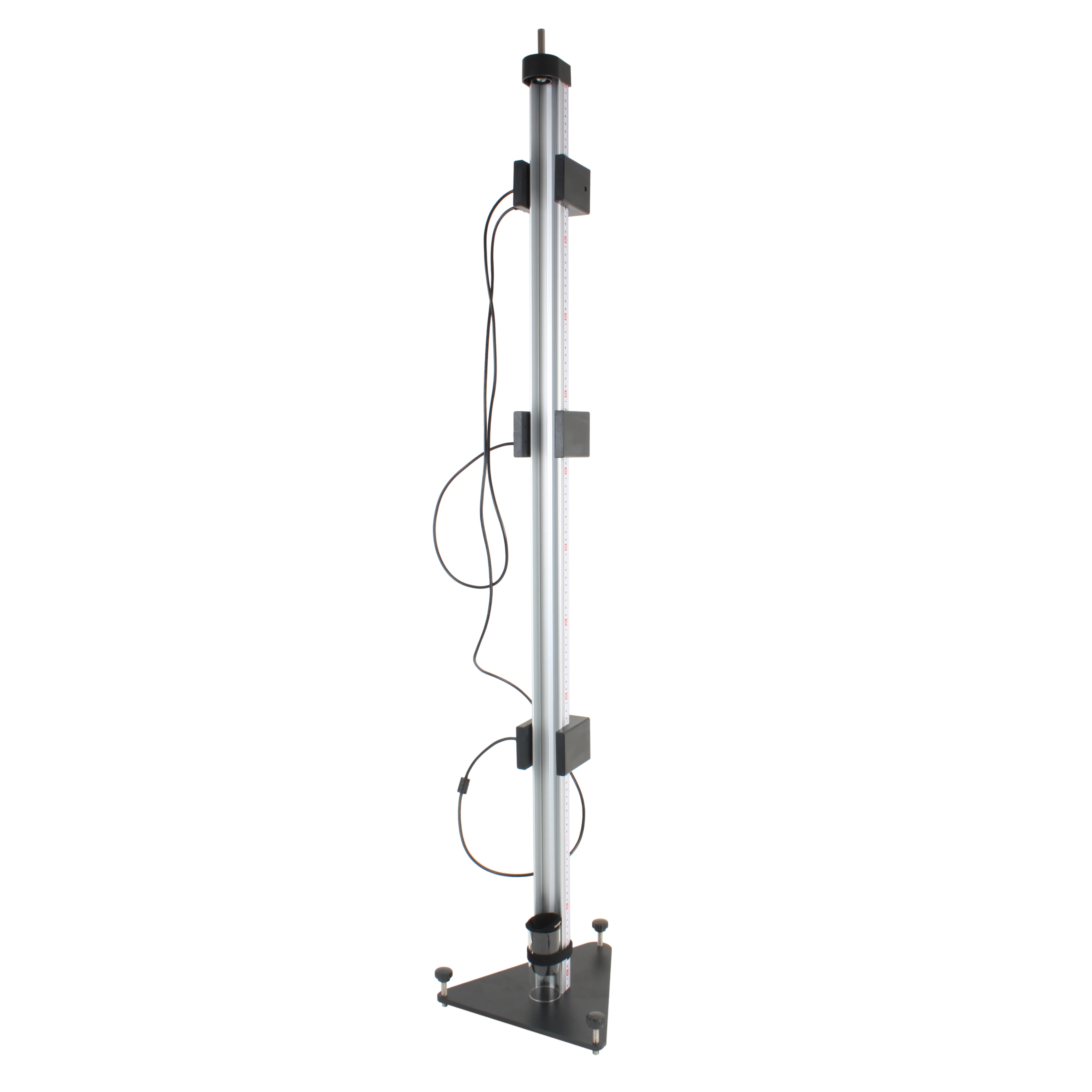
Physics classrooms require specialized teaching instruments that demonstrate fundamental principles of motion, force, energy, and mechanics. When selecting teaching instruments for physics, educators must consider whether the tools support kinematic experiments, dynamics demonstrations, or rotational motion studies. Teaching instruments such as impact dropping test apparatus enable students to observe free fall behavior, measure acceleration due to gravity, and understand collision dynamics through direct hands-on experimentation. The accuracy and repeatability of teaching instruments in physics become critical because students must collect reliable data and draw meaningful conclusions. Furthermore, teaching instruments for physics should allow adjustable parameters so that instructors can scale demonstrations from simple principle introduction to advanced quantitative analysis.
Chemistry and Material Science Teaching Instruments
Chemistry requires teaching instruments designed for safe measurement, precise mixing, and controlled observation of chemical reactions and transformations. Selecting appropriate teaching instruments for chemistry involves assessing chemical compatibility, temperature tolerance, and visibility of reactions to ensure all students can observe results from various classroom positions. Teaching instruments in chemistry should minimize hazards while allowing authentic experimental experiences that reinforce theoretical concepts taught in lectures. Precision becomes paramount when choosing teaching instruments for quantitative chemistry, as measurement errors directly impact student learning and experiment validity. Additionally, teaching instruments must be resistant to corrosion and chemical degradation to maintain long-term functionality and cost-effectiveness.
Key Selection Criteria and Evaluation Framework
Learning Objectives and Curriculum Alignment
Before purchasing any teaching instruments, educators must clearly define what learning objectives they aim to achieve and how teaching instruments will facilitate those outcomes. Teaching instruments selection should directly support curriculum standards and enable students to develop competencies in observation, measurement, analysis, and scientific reasoning. Effective teaching instruments serve as bridges between theoretical knowledge and practical application, allowing students to experience concepts firsthand rather than passively receiving information. When evaluating teaching instruments, ask whether each tool directly enables key student activities and whether learning outcomes would be compromised without it. This purposeful approach to selecting teaching instruments prevents accumulation of unused equipment and ensures allocated budgets genuinely enhance instruction.
Safety, Durability, and Maintenance Considerations
Selecting teaching instruments requires careful attention to safety standards, operational reliability, and long-term maintenance requirements that impact total cost of ownership. All teaching instruments must comply with relevant safety regulations and include appropriate safeguards, documentation, and training resources for student and instructor use. When choosing teaching instruments, examine construction quality, material durability, and resistance to wear from repeated handling and use throughout the academic year. Teaching instruments should be designed for easy cleaning and storage to prevent damage and maintain functionality across multiple use cycles. Additionally, evaluate whether replacement parts are readily available and affordable, as this significantly influences whether teaching instruments remain operational throughout their intended lifespan. Institutions should also consider whether teaching instruments require specialized calibration or maintenance that necessitates external service providers.
Implementation Strategy and Best Practices
Pilot Testing and Instructor Feedback Integration
Successful selection of teaching instruments involves piloting potential tools in actual classroom settings before making large-scale purchasing commitments. When evaluating teaching instruments, solicit detailed feedback from instructors who will use them regularly and understand practical limitations that may not be apparent during vendor demonstrations. Teaching instruments that perform perfectly in controlled conditions may reveal operational challenges, usability issues, or compatibility problems when introduced to dynamic classroom environments with diverse student skill levels. teaching instruments selection decisions should incorporate this field-tested knowledge rather than relying solely on specifications or marketing claims. Pilot programs also reveal whether instructor training requirements for teaching instruments are manageable and whether technical support is adequate for institutional needs.
Budget Optimization and Phased Acquisition
Resource constraints are reality in most educational institutions, requiring strategic approaches to selecting teaching instruments within available budgets. Rather than attempting to acquire all necessary teaching instruments simultaneously, institutions can prioritize equipment based on impact on student learning outcomes and frequency of use across the curriculum. Teaching instruments selection should distinguish between essential tools that every classroom needs and specialized equipment that serves niche applications or advanced elective courses. Phased acquisition of teaching instruments allows budgets to be distributed across multiple budget cycles while preventing shortfalls in critical areas. Educators should also investigate bulk purchasing options, educational discounts, and grant opportunities that can expand the quantity and quality of teaching instruments available within constrained financial environments. Transparent documentation of why each teaching instruments purchase advances institutional educational mission strengthens justification for resource allocation.
FAQ
What factors should guide selection of teaching instruments for hands-on learning?
Selection of teaching instruments for hands-on learning should prioritize alignment with learning objectives, student safety, ease of use, durability, and maintenance requirements. Consider whether teaching instruments directly enable students to observe phenomena, collect data, and draw evidence-based conclusions. Effective teaching instruments support authentic scientific inquiry while remaining accessible to students with varying prior experience levels. Budget availability, storage space, and instructor expertise in operating teaching instruments also influence practical selection decisions. The most valuable teaching instruments are those that students use regularly throughout the academic year and that demonstrably improve understanding of subject matter.
How do teaching instruments differ across science disciplines?
Teaching instruments differ significantly across science disciplines because each subject emphasizes distinct phenomena and requires different measurement capabilities. Physics teaching instruments focus on motion, forces, energy, and mechanics, often requiring high precision and repeatability. Chemistry teaching instruments emphasize safe measurement, reaction observation, and material properties. Biology teaching instruments support microscopic observation, organism study, and ecological investigation. Selecting teaching instruments without understanding these disciplinary differences results in equipment that fails to adequately support instruction or consumes resources inefficiently. Educators should consult disciplinary standards and curriculum frameworks when selecting teaching instruments specific to their subject area.
What budget strategies work best for acquiring teaching instruments?
Effective budget strategies for acquiring teaching instruments include phased purchasing that distributes costs across multiple budget cycles, seeking educational discounts from suppliers, investigating grant opportunities for equipment purchases, and prioritizing essential teaching instruments before acquiring specialized tools. Bulk purchasing of commonly needed teaching instruments can reduce per-unit costs significantly. Institutions should also consider refurbished or high-quality used teaching instruments that meet safety and functionality standards while reducing upfront expenses. Transparent documentation of how teaching instruments directly support educational outcomes strengthens budget requests and demonstrates responsible resource stewardship to institutional decision-makers.