Premium School Science Lab Instruments - Advanced Educational Equipment for Modern STEM Learning

All Categories
Get a Quote

Get a Free Quote

Our representative will contact you soon.
Email
Name
Company Name
Message
0/1000

school science lab instruments

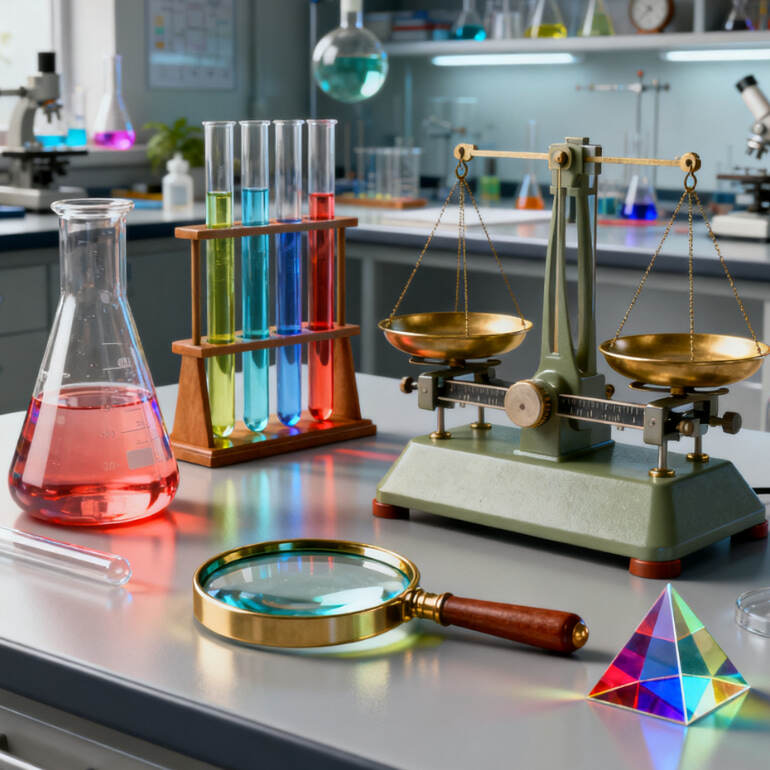
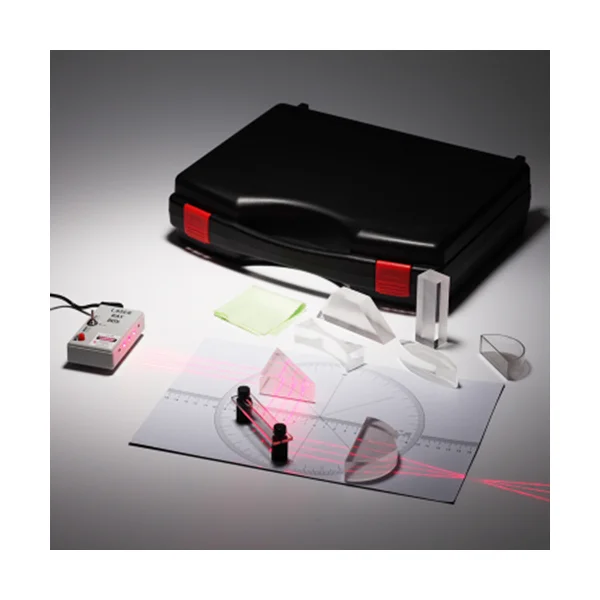
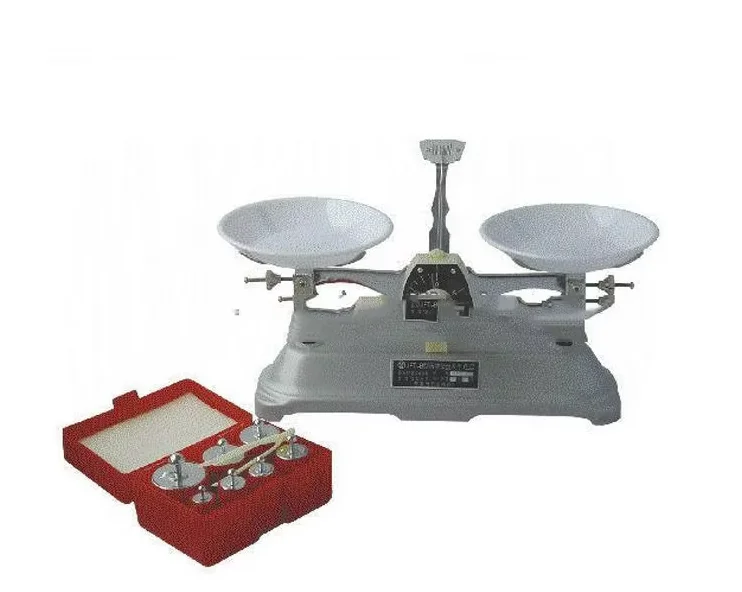
School science lab instruments represent essential educational tools that transform theoretical knowledge into practical understanding through hands-on experimentation. These sophisticated devices encompass a comprehensive range of equipment designed specifically for academic environments, from basic microscopes to advanced spectrophotometers. Modern school science lab instruments integrate cutting-edge technology with user-friendly interfaces, making complex scientific concepts accessible to students of all levels. The primary functions of these instruments include measurement, observation, analysis, and experimentation across multiple scientific disciplines including physics, chemistry, biology, and earth sciences. Technological features of contemporary school science lab instruments emphasize precision, reliability, and educational value. Digital interfaces provide real-time data collection and analysis capabilities, while built-in safety mechanisms ensure student protection during experiments. Many instruments now incorporate wireless connectivity, allowing seamless data transfer to computers and tablets for enhanced learning experiences. Calibration systems maintain measurement accuracy, while intuitive controls reduce the learning curve for both educators and students. Applications of school science lab instruments span diverse educational scenarios, from elementary demonstrations to advanced research projects. In biology classes, microscopes reveal cellular structures and microorganisms, fostering understanding of life sciences. Chemistry laboratories utilize analytical balances, pH meters, and spectrometers to explore chemical reactions and molecular composition. Physics experiments benefit from oscilloscopes, multimeters, and motion sensors that visualize abstract concepts like electromagnetic waves and kinetic energy. Environmental science programs employ water quality testers and atmospheric monitoring devices to study ecological systems. The versatility of modern school science lab instruments enables cross-curricular integration, where single devices support multiple subject areas. Data logging capabilities allow students to conduct long-term studies and develop scientific methodology skills. Educational institutions worldwide rely on these instruments to meet curriculum standards while preparing students for advanced scientific careers through practical experience and technological literacy.
Popular Products

School science lab instruments offer numerous practical benefits that directly enhance educational outcomes and student engagement in scientific learning. These devices eliminate the gap between theoretical concepts and real-world applications, allowing students to witness scientific principles in action rather than simply reading about them. This hands-on approach significantly improves knowledge retention rates and develops critical thinking skills essential for scientific literacy. Educational institutions gain substantial value from investing in quality school science lab instruments through increased student performance and enhanced curriculum delivery. Modern instruments provide accurate, reproducible results that build confidence in scientific methodology while teaching proper experimental procedures. Students learn to collect, analyze, and interpret data using professional-grade equipment, preparing them for advanced studies and scientific careers. The cost-effectiveness of contemporary school science lab instruments becomes apparent through their multi-purpose functionality and durability. Single devices often support multiple experiments across different grade levels, maximizing educational investment returns. Digital interfaces reduce consumable costs while providing unlimited experimental repetitions, unlike traditional methods requiring constant material replacement. Safety features built into modern school science lab instruments protect students while maintaining educational effectiveness. Automatic shutoff systems, protective barriers, and user-friendly controls minimize accident risks without compromising learning objectives. This safety-first approach reduces liability concerns while encouraging student participation in laboratory activities. Time efficiency represents another significant advantage of advanced school science lab instruments. Quick setup procedures and streamlined operations allow educators to focus on teaching rather than equipment management. Automated data collection and analysis features save valuable class time while providing more comprehensive results than manual methods. The technological integration capabilities of school science lab instruments align perfectly with modern educational approaches. Wireless connectivity enables collaborative learning experiences where students share data and observations in real-time. Computer interfaces allow immediate graphing and statistical analysis, making complex data interpretation accessible to younger learners. Professional development opportunities emerge naturally when educators work with advanced school science lab instruments. Teachers develop technical skills while staying current with scientific instrumentation trends, enhancing their overall educational effectiveness. This professional growth translates directly into improved classroom instruction and student outcomes. Long-term educational benefits include improved standardized test scores, increased student interest in STEM careers, and enhanced college preparedness. Schools equipped with quality lab instruments often report higher graduation rates in science programs and improved university acceptance rates for their graduates.

Latest News

The Silent Revolution in Classrooms: How Advanced Teaching Instruments Are Reshaping Global STEM Education

08

Dec

The Silent Revolution in Classrooms: How Advanced Teaching Instruments Are Reshaping Global STEM Education

View More
Building the Lab of Tomorrow: The Key Role of Durable and Adaptive Teaching Apparatus

08

Dec

Building the Lab of Tomorrow: The Key Role of Durable and Adaptive Teaching Apparatus

View More

Get a Free Quote

Our representative will contact you soon.
Email
Name
Company Name
Message
0/1000

school science lab instruments

Advanced Digital Integration and Connectivity Features

Advanced Digital Integration and Connectivity Features

Modern school science lab instruments excel in their sophisticated digital integration capabilities, transforming traditional laboratory experiences into technology-enhanced learning environments. These instruments seamlessly connect with computers, tablets, and interactive whiteboards through wireless and USB interfaces, enabling real-time data visualization and collaborative analysis. The digital connectivity extends beyond simple data transfer, incorporating cloud-based storage solutions that allow students to access their experimental results from anywhere, fostering continuous learning outside classroom boundaries. Advanced software packages accompanying these school science lab instruments provide intuitive graphing tools, statistical analysis functions, and report generation capabilities that were previously available only in professional research settings. Students can instantly transform raw measurements into professional-quality charts and graphs, developing essential data presentation skills while reinforcing scientific concepts. The integration features support multiple operating systems and educational platforms, ensuring compatibility with existing school technology infrastructure. Interactive tutorials and guided experiments built into the software help students navigate complex procedures independently, reducing teacher workload while maintaining educational quality. Remote monitoring capabilities allow educators to oversee multiple experimental setups simultaneously, providing guidance and ensuring safety protocols are followed. The digital integration also enables comparative analysis between different experimental groups, promoting collaborative learning and peer review processes. Data logging functions capture measurements over extended periods, supporting long-term studies that teach patience and scientific methodology. Export capabilities allow seamless integration with popular educational software and learning management systems, creating comprehensive digital portfolios of student scientific work. These technological features prepare students for modern scientific careers where digital literacy is essential, while making abstract concepts tangible through visual representation and interactive manipulation.
Comprehensive Safety Systems and User-Friendly Design

Comprehensive Safety Systems and User-Friendly Design

Safety represents the paramount concern in educational laboratory environments, and modern school science lab instruments address this challenge through comprehensive protection systems combined with intuitive user interfaces. These instruments incorporate multiple layers of safety features including automatic shutdown mechanisms, protective housings, and fail-safe protocols that activate when improper usage is detected. The user-friendly design philosophy ensures that safety measures enhance rather than hinder the learning experience, with clear visual indicators, audible warnings, and step-by-step guidance systems that teach proper laboratory procedures while protecting users. Emergency stop functions are prominently placed and easily accessible, allowing immediate intervention if dangerous situations arise. The instruments feature non-slip bases, secure sample holders, and splash-resistant designs that minimize accident risks during active experimentation. Color-coded controls and standardized interface layouts reduce operational errors while maintaining consistency across different instrument types. Safety interlocks prevent equipment activation when protective covers are removed or when unsafe conditions exist, teaching students the importance of following established protocols. The ergonomic design considerations include appropriate height adjustments, comfortable grip surfaces, and optimal viewing angles that reduce physical strain during extended laboratory sessions. Clear labeling systems use internationally recognized symbols and multiple languages to ensure universal understanding of safety requirements and operational procedures. Built-in calibration verification systems maintain measurement accuracy while alerting users to potential equipment malfunctions before they become safety hazards. The comprehensive documentation accompanying these school science lab instruments includes detailed safety protocols, maintenance schedules, and troubleshooting guides that empower educators to maintain safe learning environments. Training materials and certification programs help teachers develop confidence in operating advanced equipment while ensuring student safety remains the top priority. These safety features extend equipment lifespan by preventing misuse and damage, providing excellent return on educational investments while maintaining the highest safety standards.
Multi-Disciplinary Educational Applications and Curriculum Support

Multi-Disciplinary Educational Applications and Curriculum Support

The versatility of modern school science lab instruments enables comprehensive curriculum support across multiple scientific disciplines, maximizing educational value through cross-curricular integration and adaptive learning approaches. These instruments are specifically designed to support diverse educational standards from elementary through advanced secondary levels, with scalable complexity that grows with student capabilities. In biology applications, these school science lab instruments facilitate everything from basic cell observation to advanced molecular analysis, supporting topics ranging from photosynthesis studies to genetics experiments. Chemistry curricula benefit from precise measurement capabilities, reaction monitoring, and quantitative analysis features that make abstract concepts like molarity and stoichiometry tangible through direct experimentation. Physics education gains tremendous value from instruments that visualize wave phenomena, electromagnetic fields, and thermodynamic processes, transforming theoretical equations into observable reality. Environmental science programs utilize these instruments for water quality assessment, atmospheric monitoring, and ecosystem analysis, connecting classroom learning to real-world environmental challenges. The adaptability of these school science lab instruments allows educators to modify experiments based on available time, student skill levels, and specific learning objectives. Modular designs enable institutions to expand capabilities gradually, building comprehensive laboratory facilities within budget constraints while maintaining educational effectiveness. Cross-disciplinary applications become possible when single instruments support multiple subject areas, such as using spectrophotometers for both chemistry analysis and biology studies. The curriculum alignment features ensure compliance with national and international educational standards, providing educators with confidence that their laboratory programs meet accreditation requirements. Assessment integration capabilities allow teachers to incorporate laboratory results directly into grading systems, providing objective measures of student understanding and skill development. Long-term project support enables students to conduct research over extended periods, developing patience and scientific methodology while exploring topics of personal interest. Professional development resources help educators maximize instrument capabilities while staying current with evolving curriculum requirements, ensuring sustainable educational value throughout the instrument lifecycle.

Get a Free Quote

Our representative will contact you soon.
Email
Name
Company Name
Message
0/1000