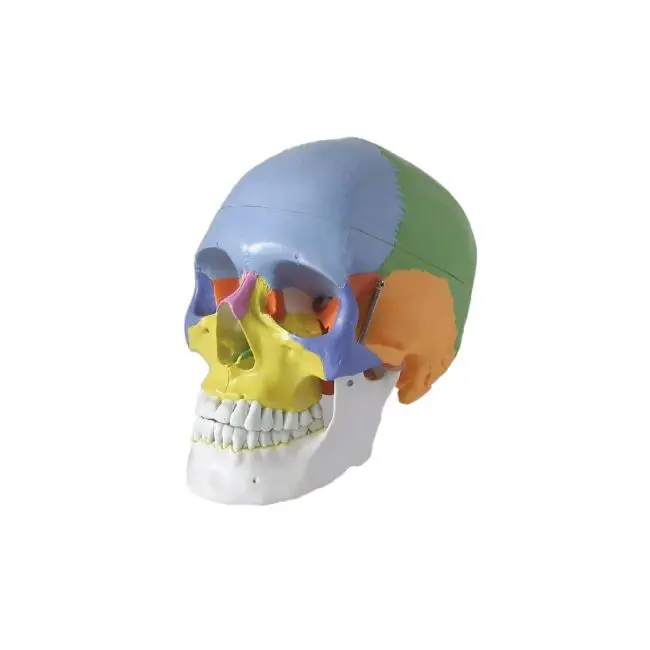
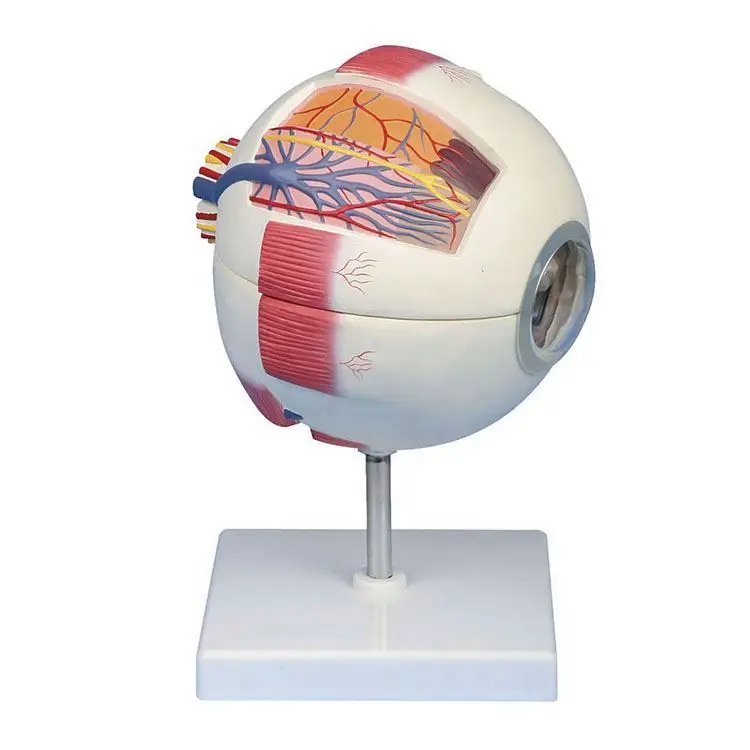
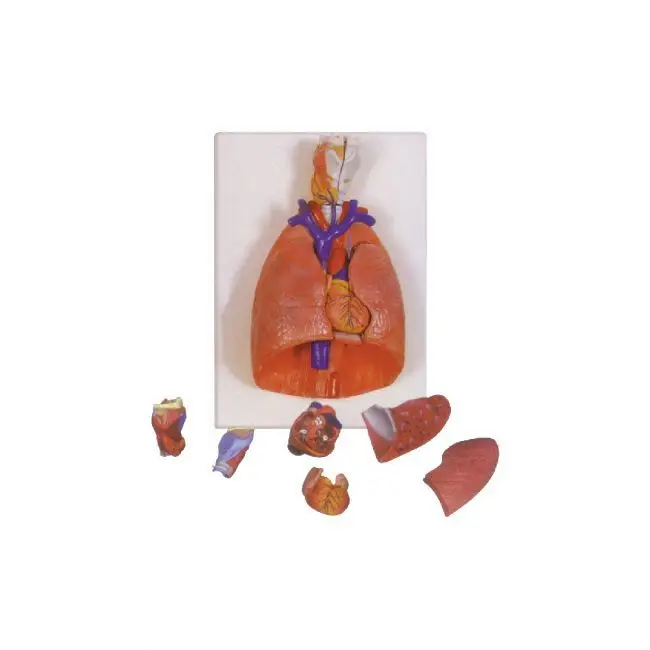
educational training equipment
Educational training equipment represents a revolutionary approach to modern learning that transforms traditional classroom experiences into dynamic, interactive environments. This sophisticated technology encompasses a comprehensive range of digital tools, simulation systems, and multimedia platforms designed to enhance knowledge acquisition and skill development across diverse educational sectors. The primary functions of educational training equipment include delivering immersive learning experiences through virtual reality simulations, providing real-time assessment capabilities, facilitating collaborative learning through interactive displays, and offering personalized instruction tailored to individual learning styles. Technological features of this equipment integrate cutting-edge artificial intelligence algorithms that adapt content delivery based on student performance metrics, high-resolution touchscreen interfaces that support multi-user collaboration, cloud-based content management systems enabling seamless curriculum updates, and robust analytics engines that track learning progress with precision. These systems incorporate advanced audio-visual components, haptic feedback mechanisms, and wireless connectivity solutions that create engaging educational environments. Applications of educational training equipment span multiple industries including healthcare simulation labs where medical students practice procedures safely, corporate training centers that develop professional competencies, vocational schools teaching technical skills through hands-on simulations, and K-12 institutions implementing STEM education programs. The equipment serves research institutions conducting educational studies, military training facilities preparing personnel for complex scenarios, and continuing education programs addressing workforce development needs. Integration capabilities allow seamless connection with existing learning management systems, making implementation straightforward for educational institutions. The versatility of educational training equipment makes it invaluable for distance learning initiatives, blended classroom approaches, and specialized training programs requiring standardized instruction delivery across multiple locations.




 EN
EN