
All Categories
Get a Quote

Get a Free Quote

Our representative will contact you soon.
Email
Name
Company Name
Message
0/1000

Sustainable Practices: Choosing and Disposing of School Laboratory Equipment Responsibly

2026-03-30 10:00:00
Sustainable Practices: Choosing and Disposing of School Laboratory Equipment Responsibly

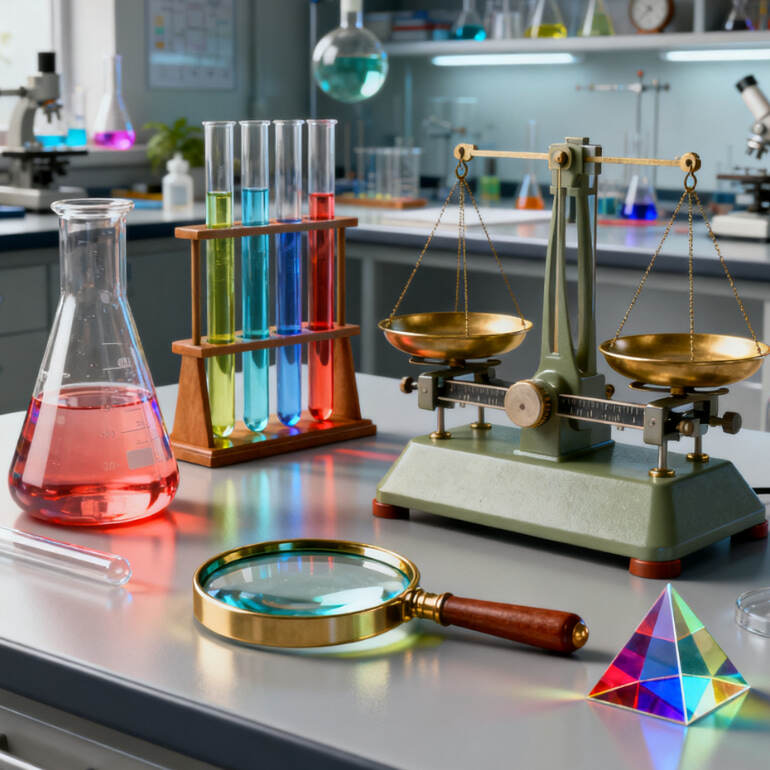
Educational institutions face increasing pressure to adopt environmentally responsible practices across all operations, particularly when managing school laboratory equipment. The lifecycle management of scientific instruments, tools, and apparatus presents unique sustainability challenges that require careful consideration of acquisition, usage, and disposal phases. Schools must balance educational effectiveness with environmental stewardship while managing budget constraints and safety requirements.

school laboratory equipment

Implementing sustainable practices for school laboratory equipment requires a comprehensive approach that considers environmental impact, cost efficiency, and educational value throughout the equipment lifecycle. Modern educational facilities must develop systematic strategies for responsible procurement, maintenance, and end-of-life management of scientific instruments and apparatus. These practices not only reduce environmental footprint but also demonstrate environmental responsibility to students and communities while often providing long-term cost savings.

Environmental Assessment Framework for Laboratory Equipment Selection

Lifecycle Environmental Impact Analysis

Conducting thorough environmental assessments before purchasing school laboratory equipment helps institutions make informed decisions that minimize ecological impact. This analysis examines manufacturing processes, material composition, transportation requirements, and projected operational lifespan. Schools should prioritize equipment manufactured using renewable energy sources, recycled materials, and minimal packaging waste.

Energy consumption represents a critical factor in environmental assessment, as many laboratory instruments require continuous power for proper operation. Equipment with energy-efficient designs, sleep modes, and automated shutdown features significantly reduce carbon footprint over operational lifespans. Modern digital instruments often consume less energy than analog alternatives while providing enhanced educational capabilities and data collection features.

Material composition analysis reveals the environmental implications of different school laboratory equipment choices. Instruments constructed from recyclable metals, biodegradable plastics, and sustainably sourced materials align better with environmental objectives than those containing rare earth elements, toxic compounds, or non-recyclable composites. This assessment informs decisions that balance educational functionality with ecological responsibility.

Supplier Sustainability Credentials

Evaluating supplier environmental practices ensures that school laboratory equipment procurement supports companies committed to sustainable manufacturing. Suppliers with ISO 14001 certification, carbon-neutral shipping options, and take-back programs demonstrate genuine commitment to environmental stewardship. These partnerships create opportunities for educational institutions to extend their sustainability impact beyond campus boundaries.

Transparent supply chain documentation allows schools to verify the environmental claims of potential equipment suppliers. Companies providing detailed carbon footprint calculations, waste reduction metrics, and renewable energy usage data enable informed decision-making based on objective environmental performance indicators. This transparency also creates teaching opportunities for students learning about corporate environmental responsibility.

Geographic proximity of suppliers affects transportation-related environmental impact of school laboratory equipment delivery. Prioritizing regional suppliers reduces shipping distances, fuel consumption, and packaging requirements while supporting local economies. However, schools must balance proximity considerations with quality, price, and specific educational requirements when making procurement decisions.

Sustainable Procurement Strategies for Educational Institutions

Multi-Purpose Equipment Prioritization

Selecting versatile school laboratory equipment that serves multiple educational functions maximizes resource efficiency while reducing overall procurement needs. Multi-purpose instruments eliminate redundancy, decrease storage requirements, and provide greater educational value per dollar invested. These solutions particularly benefit schools with limited budgets and space constraints while supporting comprehensive science education programs.

Digital laboratory interfaces and software-based instruments offer exceptional versatility for modern science education. Computer-based data acquisition systems can replace multiple traditional instruments while providing enhanced measurement capabilities, data storage, and analysis features. These digital solutions often require less physical storage space and enable remote learning applications that extend educational opportunities.

Modular equipment designs allow schools to expand capabilities gradually while maintaining compatibility with existing investments. Systems with interchangeable components and upgrade pathways prevent premature obsolescence and enable institutions to adapt to evolving curriculum requirements without complete equipment replacement. This modularity supports long-term sustainability objectives while maintaining educational effectiveness.

Bulk Purchasing and Consortium Arrangements

Collaborative purchasing arrangements between multiple schools create economies of scale that improve sustainability outcomes for school laboratory equipment procurement. Bulk orders reduce per-unit packaging, transportation costs, and supplier overhead while often securing better pricing for participating institutions. These arrangements require coordination and standardization but deliver significant environmental and financial benefits.

Regional educational consortiums can negotiate directly with manufacturers to specify sustainable features in school laboratory equipment orders. Custom specifications might include recycled material content, reduced packaging, local service support, and end-of-life take-back programs. These arrangements demonstrate market demand for sustainable products and encourage manufacturers to develop environmentally responsible designs.

Shared maintenance contracts and technical support arrangements further enhance sustainability benefits of consortium purchasing. Centralized service providers can optimize repair schedules, maintain larger inventories of replacement parts, and develop specialized expertise that extends equipment lifespans. These efficiencies reduce waste generation and improve overall resource utilization across participating institutions.

Responsible Usage and Maintenance Practices

Preventive Maintenance Programs

Systematic maintenance schedules significantly extend the operational lifespan of school laboratory equipment while maintaining safety and performance standards. Regular calibration, cleaning, and component replacement prevent premature failure and ensure accurate measurements essential for quality science education. Well-maintained equipment requires fewer replacements and generates less waste over time.

Student involvement in basic maintenance activities creates valuable learning opportunities while supporting sustainability objectives. Age-appropriate maintenance tasks teach responsibility, technical skills, and equipment care principles that students carry forward in their academic and professional careers. This hands-on approach reinforces the connection between proper care and environmental stewardship.

Digital maintenance tracking systems help schools optimize service schedules and identify patterns that might indicate design problems or usage issues with specific school laboratory equipment models. These records support warranty claims, inform future purchasing decisions, and demonstrate regulatory compliance for safety-critical instruments. Comprehensive maintenance documentation also facilitates equipment transfers between institutions or programs.

Energy Management and Efficiency Optimization

Implementing energy management protocols for school laboratory equipment reduces operational costs and environmental impact while maintaining educational functionality. Automated timer systems, power strips with remote control, and programmable shutdown schedules prevent unnecessary energy consumption during non-instructional periods. These measures require minimal investment but deliver consistent long-term savings.

Regular energy audits of laboratory spaces identify opportunities for efficiency improvements in equipment operation and facility management. Upgrading lighting to LED systems, optimizing ventilation schedules, and consolidating equipment usage patterns can significantly reduce overall energy consumption. These improvements often qualify for utility rebates or government incentives that offset implementation costs.

Training programs for faculty and staff ensure proper operation of school laboratory equipment according to manufacturer specifications and energy efficiency guidelines. Incorrect usage patterns can increase energy consumption, accelerate wear, and compromise safety while reducing educational effectiveness. Regular training updates accommodate new equipment installations and evolving best practices for sustainable laboratory management.

End-of-Life Management and Disposal Strategies

Equipment Refurbishment and Redistribution

Establishing partnerships with technical education programs creates opportunities to refurbish aging school laboratory equipment for continued educational use. Student technicians gain valuable repair experience while extending equipment lifecycles and reducing disposal waste. These programs often produce fully functional instruments suitable for continued use in appropriate educational settings.

Inter-institutional equipment exchange programs facilitate the transfer of surplus or retired instruments to schools with compatible needs. Equipment that no longer meets advanced program requirements might perfectly serve introductory courses or resource-constrained institutions. These exchanges require coordination but significantly extend useful lifecycles while reducing procurement costs for receiving schools.

Donation programs connecting schools with community organizations, museums, or developing educational institutions provide meaningful second-life opportunities for retired school laboratory equipment. Proper documentation of donation activities may provide tax benefits while supporting broader educational missions. These programs require careful vetting to ensure recipient capabilities and appropriate usage contexts.

Responsible Recycling and Material Recovery

Partnering with certified electronic waste recyclers ensures that school laboratory equipment containing valuable materials and potentially hazardous components receives proper processing at end-of-life. These specialized facilities can safely extract precious metals, rare earth elements, and other valuable materials while preventing environmental contamination from toxic substances.

Manufacturer take-back programs offer convenient and environmentally responsible disposal options for specific brands and models of laboratory instruments. These programs often provide credit toward new purchases while ensuring proper recycling of retired equipment. Schools should inquire about take-back availability during the procurement process and factor these options into lifecycle cost calculations.

Component salvage operations can recover useful parts from retired school laboratory equipment for repair purposes or educational demonstrations. Optical elements, mechanical components, and electronic modules often retain value even when complete instruments reach end-of-life. Systematic salvage programs support maintenance operations while reducing disposal volumes and associated costs.

Integration with Educational Curriculum and Student Engagement

Sustainability Education Through Laboratory Practice

Incorporating sustainability principles into laboratory instruction demonstrates practical applications of environmental science while reinforcing responsible equipment usage. Students learn to calculate energy consumption, assess material impacts, and evaluate lifecycle costs as integral components of scientific methodology. These skills prepare students for careers in industries increasingly focused on sustainability metrics and environmental responsibility.

Comparative studies of different school laboratory equipment options provide authentic research experiences while teaching decision-making processes that balance multiple criteria including environmental impact, cost, and performance. Students develop critical thinking skills applicable to personal and professional decisions throughout their lives. These exercises also generate data that informs institutional procurement decisions.

Student-led audits of laboratory equipment usage patterns, energy consumption, and waste generation create engagement opportunities while providing valuable data for sustainability improvements. These projects combine scientific measurement skills with environmental awareness while contributing to institutional environmental management. Student recommendations often identify practical improvements overlooked by adult administrators.

Community Outreach and Environmental Leadership

Showcasing sustainable school laboratory equipment practices in community presentations and media coverage demonstrates institutional commitment to environmental responsibility while educating broader audiences. These outreach activities position schools as environmental leaders and create opportunities for partnerships with local businesses, environmental organizations, and government agencies interested in supporting educational sustainability initiatives.

Student presentations about laboratory sustainability projects at science fairs, environmental conferences, and community events extend the educational impact while building communication skills and environmental awareness. These activities often generate media attention that benefits school reputation and community relations while reinforcing student learning through public presentation requirements.

Mentorship programs connecting students with environmental professionals create learning opportunities that extend beyond traditional classroom instruction. Industry mentors provide real-world perspectives on sustainable practices while offering career guidance and inspiration. These relationships often lead to internship opportunities and continued educational partnerships that benefit both students and participating organizations.

FAQ

How can schools balance cost constraints with sustainable school laboratory equipment choices?

Schools can achieve cost-effective sustainability by focusing on total lifecycle costs rather than initial purchase prices, participating in consortium purchasing arrangements, and prioritizing multi-purpose equipment that reduces overall procurement needs. Energy-efficient instruments often provide operational savings that offset higher initial costs, while equipment with longer lifespans and better warranty support delivers superior long-term value. Grant funding from environmental organizations and government programs can also support sustainable equipment upgrades.

What safety considerations apply when refurbishing or donating retired laboratory equipment?

All refurbishment and donation activities must ensure that school laboratory equipment meets current safety standards and regulatory requirements for intended usage contexts. Proper testing, calibration, and documentation are essential before transferring equipment to new users. Schools should retain liability protection through appropriate legal agreements and ensure that recipient organizations have adequate technical expertise and safety protocols for proper equipment operation and maintenance.

How can small schools implement sustainable practices without dedicated environmental staff?

Small schools can integrate sustainability practices into existing procurement and maintenance procedures without requiring additional staffing. Simple checklists for equipment selection, energy management protocols, and partnerships with regional consortiums or service providers enable sustainable practices within current resource constraints. Student involvement in sustainability projects can provide necessary labor while creating valuable educational experiences that support both environmental and academic objectives.

What documentation should schools maintain for sustainable equipment management programs?

Comprehensive documentation should include procurement criteria and supplier evaluation records, energy consumption tracking, maintenance schedules and service records, and disposal or transfer documentation for retired school laboratory equipment. This information supports regulatory compliance, warranty claims, and institutional reporting requirements while providing data for continuous improvement of sustainability practices. Digital record-keeping systems facilitate information management and enable analysis of program effectiveness over time.